February isn’t just about chocolates and Valentine’s cards, it’s Heart Health Month, and there’s no better time to show yourself some real love by prioritizing your cardiovascular health. While we often think of heart disease as something that happens “later,” the truth is that the choices we make today have a profound impact on both our heart and brain health for decades to come.
Something many women don’t realize: protecting your heart isn’t just about preventing heart attacks, it’s one of the most powerful strategies for dementia prevention. Your heart and brain are intimately connected, and what’s good for one is almost always good for the other.
The Heart-Brain Connection You Need to Know About
Your brain might only make up about 2% of your body weight, but it demands roughly 20% of your blood supply. Every heartbeat delivers oxygen and nutrients that keep your brain cells alive and functioning. When your cardiovascular system isn’t working optimally, whether due to high blood pressure, high cholesterol, inflammation, or narrowed arteries, your brain pays the price.
Research consistently shows that cardiovascular risk factors in midlife significantly increase dementia risk later in life. A landmark study published in The Lancet identified that managing cardiovascular risk factors could potentially prevent or delay up to 40% of dementia cases worldwide. High blood pressure, elevated cholesterol, diabetes, obesity, and smoking don’t just damage your heart, they quietly damage the delicate blood vessels in your brain, reducing blood flow and increasing the risk of both vascular dementia and Alzheimer’s disease.
The good news? Many of the same lifestyle strategies that protect your heart also protect your brain. When you eat for heart health, move your body regularly, manage stress, and prioritize sleep, you’re building a foundation for cognitive vitality that can last a lifetime.

Why Women Need to Pay Special Attention
If you’re a woman navigating perimenopause or menopause, this message is especially important for you. The menopausal transition brings dramatic hormonal shifts, and the decline in estrogen plays a critical role in increasing the risks associated with heart disease.
Estrogen isn’t just a reproductive hormone, it has protective effects on your cardiovascular system. It helps keep blood vessels flexible, supports healthy cholesterol levels, and reduces inflammation. When estrogen levels drop during menopause, women lose some of this natural protection, and cardiovascular risk increases significantly.
In fact, heart disease is the leading cause of death for women, yet many women still think of it as primarily a “man’s disease.” After menopause, a woman’s risk of heart disease rises sharply and, eventually, surpasses that of men in the same age group. Research from the American Heart Association shows that women’s cardiovascular risk increases by approximately 10% with each year after menopause. This makes midlife the perfect time to double down on heart-healthy habits.
The same hormonal changes that affect your heart also impact your brain. Studies show that the menopausal transition is a vulnerable period for cognitive health, with many women experiencing brain fog, memory lapses, and difficulty concentrating. Supporting your cardiovascular health during this time isn’t just about your heart, it’s about protecting your brain, your energy, your mood, and your quality of life for years to come.
The Powerful Role of Nutrition in Heart Health
When it comes to protecting your heart, what you eat matters enormously. Decades of research have demonstrated that dietary patterns play a fundamental role in cardiovascular disease prevention and management.
The Mediterranean diet, which emphasizes whole grains, fruits, vegetables, legumes, nuts, olive oil, and fish, has been extensively studied for its heart-protective benefits. The landmark PREDIMED study, published in The New England Journal of Medicine, followed over 7,400 participants and found that those following a Mediterranean diet supplemented with extra virgin Olive oil or nuts had a 30% reduction in major cardiovascular events compared to those on a low fat diet. This wasn’t a small effect, it was significant enough that the trial was stopped early because the benefits were so clear.
Similarly, the DASH (Dietary Approaches to Stop Hypertension) diet has been shown to lower blood pressure as effectively as some medications. A study published in Hypertension found that participants following the DASH diet reduced their systolic blood pressure by an average of 11 points: a reduction that can significantly decrease heart disease and stroke risk.
But it’s not just about overall dietary patterns. Specific nutrients and foods have been shown to have powerful effects on cardiovascular health. Let’s look at three of the most important ones.
3 Key Foods to Eat for a Healthy Heart
You don’t need a complicated diet or expensive supplements to support your heart. Focus on adding these three powerful food categories to your daily routine:
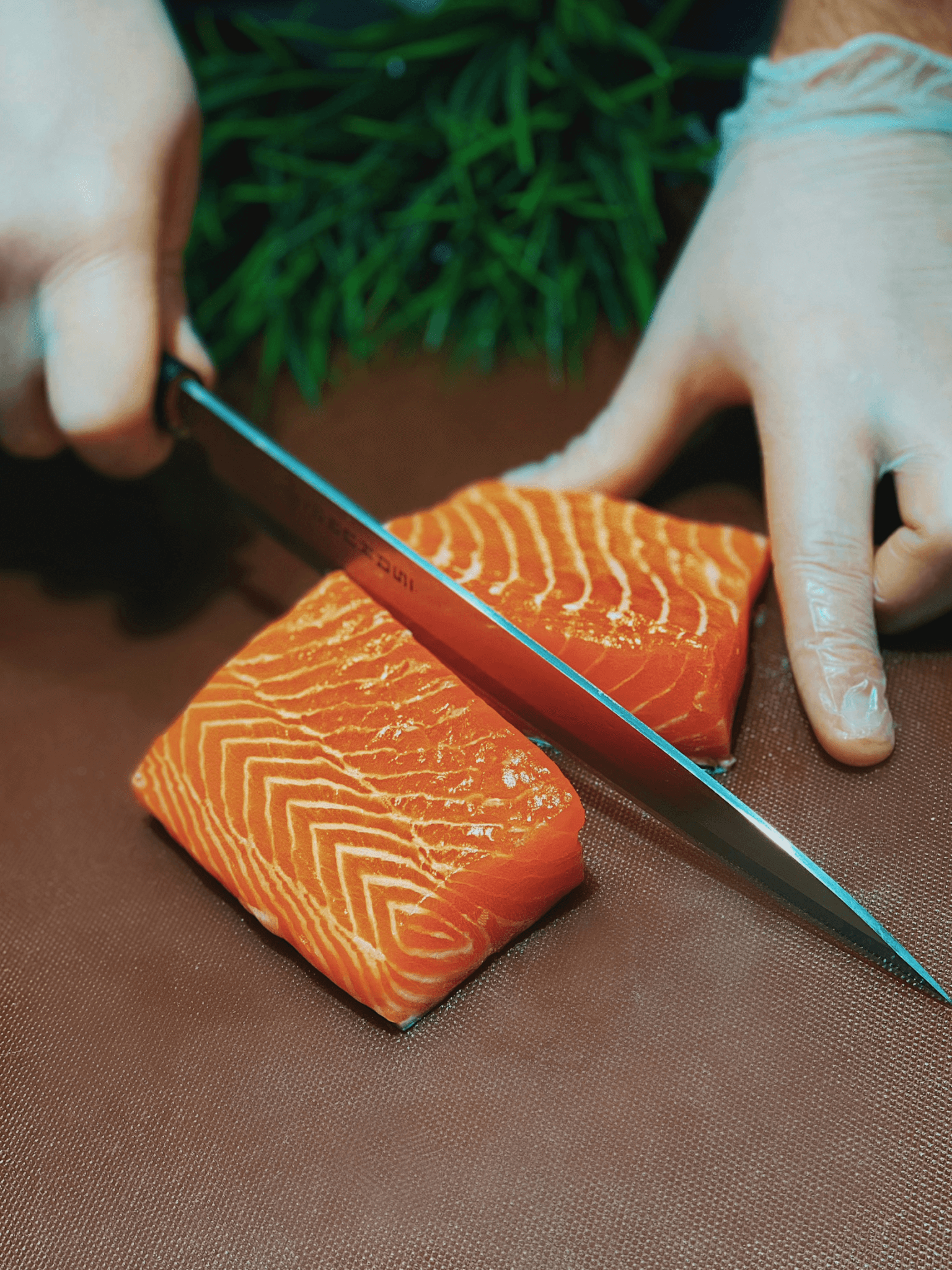
1. Fatty Fish
Salmon, mackerel, sardines, and trout are rich in omega-3 fatty acids, which reduce
inflammation, lower triglycerides, and help prevent irregular heartbeats. The evidence supporting omega-3s for heart health is robust. A meta-analysis published in JAMA Cardiology examining data from over 127,000 participants found that higher fish consumption was associated with a significantly reduced risk of cardiovascular mortality.
Omega-3s also support brain health by maintaining the integrity of brain cell membranes and promoting better blood flow to the brain. Research published in Neurology found that older adults with higher blood levels of omega-3 fatty acids had better cognitive function and larger brain volumes on MRI scans.
Aim for at least two servings of fatty fish per week. If you’re not a fish fan, consider a high quality omeega-3 supplement or plant-based options like ground flaxseeds, chia seeds, and walnuts.
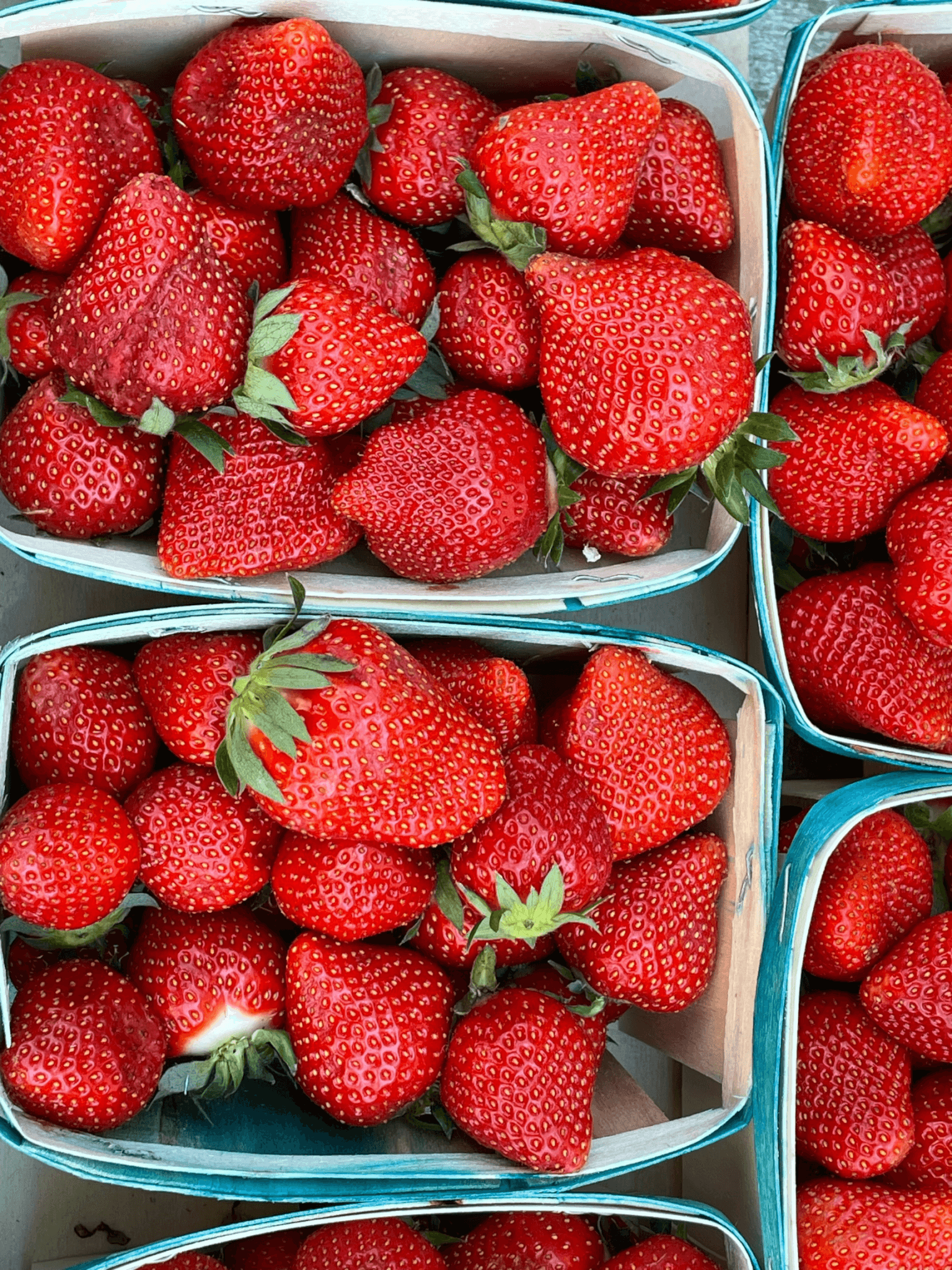
2. Berries
Blueberries, strawberries, raspberries, and blackberries are packed with antioxidants called anthocyanins, which help reduce blood pressure, improve cholesterol levels, and decrease arterial stiffness. A study published in the American Journal of Clinical Nutrition found that consuming just one cup of blueberries daily for six months improved vascular function and reduced arterial stiffness in postmenopausal women.
Berries are also incredibly beneficial for brain health. The Harvard Nurses’ Health Study, which followed over 16,000 women for more than 20 years, found that higher intake of blueberries and strawberries was associated with slower rates of cognitive decline, equivalent to delaying cognitive aging by up to 2.5 years.
Add a handful to your morning oatmeal, blend them into smoothies, or enjoy them as a naturally sweet snack.
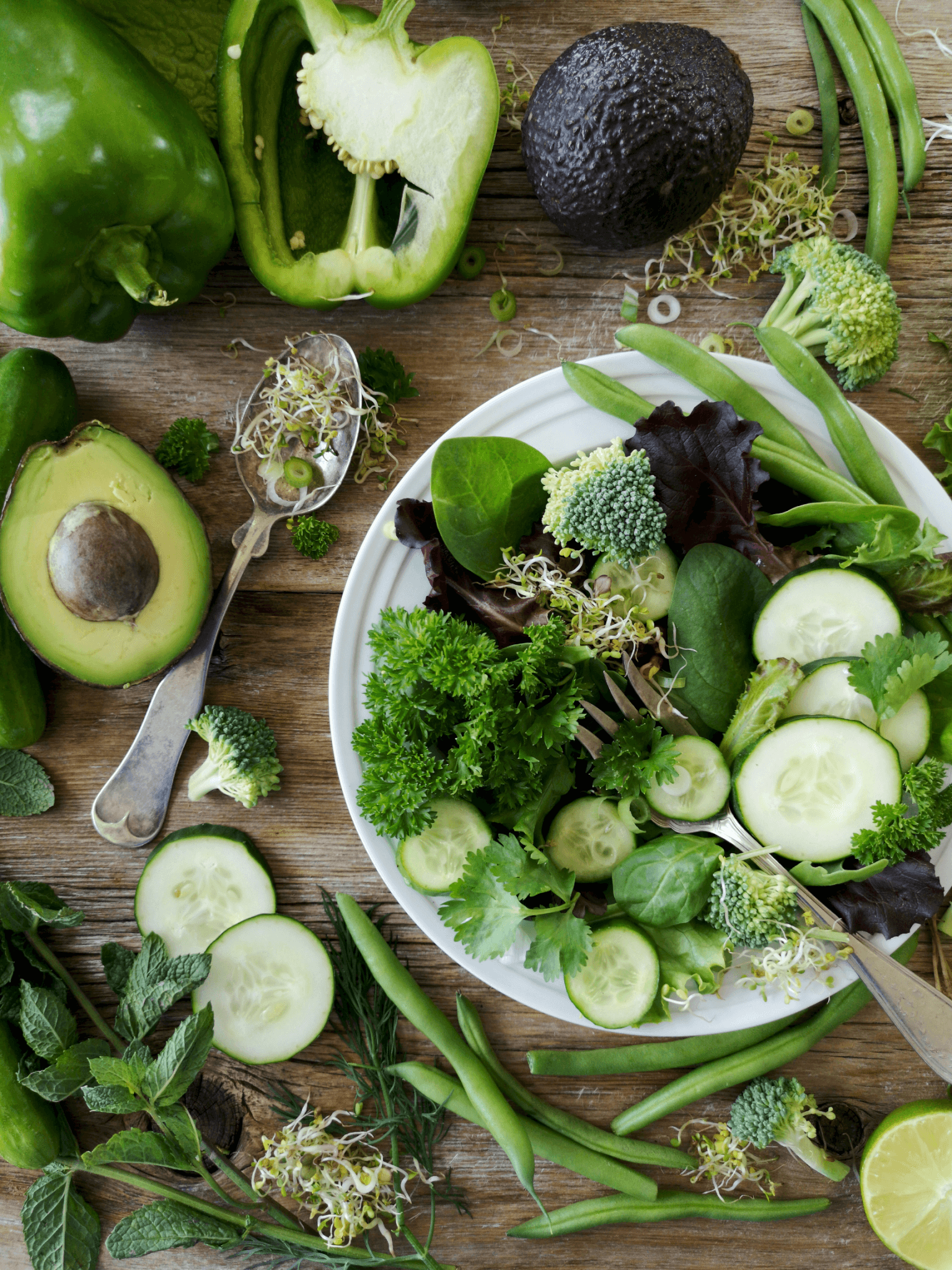
3. Leafy Greens and Cruciferous Vegetables
Spinach, kale, arugula, broccoli, and Brussels sprouts are rich in nitrates, fibre, vitamins, and minerals that support healthy blood pressure and reduce inflammation. Research published in Hypertension demonstrated that dietary nitrates from vegetables can lower blood pressure by improving the function of the endothelium, the inner lining of blood vessels.
These vegetables are also high in folate and other B vitamins that help lower homocysteine levels. Elevated homocysteine is linked to both heart disease and cognitive decline. A study in Stroke found that higher vegetable consumption, particularly leafy greens, was associated with a significantly reduced risk of cardiovascular disease.
The MIND diet (Mediterranean-DASH Intervention for Neurodegenerative Delay), which specifically emphasizes leafy greens, has been shown to slow cognitive decline. Research published in Alzheimer’s & Dementia found that those who adhered most closely to the MIND diet had cognitive function equivalent to being 7.5 years younger.
Try to fill half your plate with vegetables at lunch and dinner, and experiment with different cooking methods to keep things interesting.
A Heart-Healthy Chocolate Dessert You’ll Love
Who says heart-healthy eating can’t include dessert? This simple, delicious recipe satisfies your chocolate cravings while delivering real nutritional benefits:

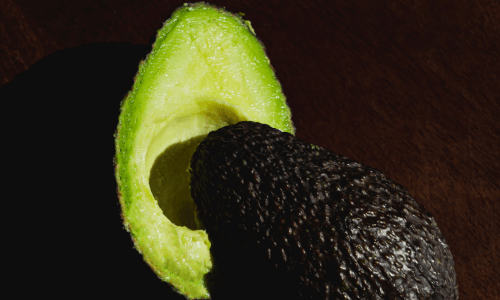
Dark Chocolate Avocado Mousse
Adapted from The Heart Healthy Cookbook for Two by Jennifer Koslo, PhD, RD, CSSD and Sarah Samaan, MD, FACC
Serves 4
Ingredients:
• 2 ripe avocados
• 2 ounces dark chocolate (at least 60% cacao), melted
• ¼ cup unsweetened cocoa powder
• ¼ cup pure maple syrup or honey
• ¼ cup unsweetened almond milk (or milk of choice)
• 1 teaspoon pure vanilla extract
• Pinch of sea salt
• Optional: pinch of cinnamon
• Fresh berries and chopped nuts for topping (optional)
Instructions:
1. Melt the dark chocolate and let it cool slightly.
2. Scoop the avocado flesh into a food processor or blender.
3. Add the melted chocolate, cocoa powder, maple syrup, almond milk, vanilla, salt, and
cinnamon (if using).
4. Blend until completely smooth and creamy, scraping down the sides as needed.
5. Taste and adjust sweetness if desired.
6. Divide into small serving bowls or ramekins and refrigerate for at least 1 hour.
7 Top with fresh berries and a sprinkle of chopped walnuts or almonds before serving.
Why it’s heart-healthy:
Avocados provide heart-healthy monounsaturated fats that help lower bad cholesterol. Research published in the Journal of the American Heart Association found that eating one avocado daily for five weeks significantly reduced LDL cholesterol levels in overweight and obese individuals. Dark cocoa is rich in flavonoids, which improve blood flow and reduce inflammation. Astudy in Heart showed that regular dark chocolate consumption was associated with reduced cardiovascular disease risk. Berries add antioxidants, and nuts provide omega-3s and additional healthy fats. This dessert is naturally sweetened, low in added sugar, and tastes absolutely decadent.


Your February Challenge: Love Your Heart, Love Your Brain
This February, make a commitment to yourself. Choose one new heart-healthy food to add to your weekly routine, commit to moving your body in a way you enjoy for at least 20-30 minutes most days, and treat yourself to a delicious dessert that actually nourishes you.
Your heart and brain are counting on you, and the best time to start protecting them is right now. Small, consistent changes add up to powerful, lasting results. The research is clear: nutrition and lifestyle choices have profound effects on cardiovascular and cognitive health. You deserve to feel vibrant, energized, and mentally sharp for years to come.
Ready to create a personalized plan that works for your life, your body, and your goals?
Book a free 15-minute discovery call at https://eatwellbewell.ca/contact/ and let’s talk about how nutrition can support your heart, brain, and overall wellbeing.
Coming in March: Celebrating Women’s Health
In honour of International Women’s Day (March 8), the March blog will dive deep into groundbreaking nutrition research that addresses the most challenging perimenopausal and menopausal symptoms women face. From hot flashes and sleep disturbances to mood changes and weight gain, discover the latest evidence-based nutritional strategies that can make a real difference during this transformative life stage. Don’t miss it!

Kelly Beaton | MP | R.H.N.
Ottawa-Based Nutritionist
Check out more EatwellBewell health tips!
January Blog: 2026 Nutrition and Food Trends: A Return to What Really Matters