
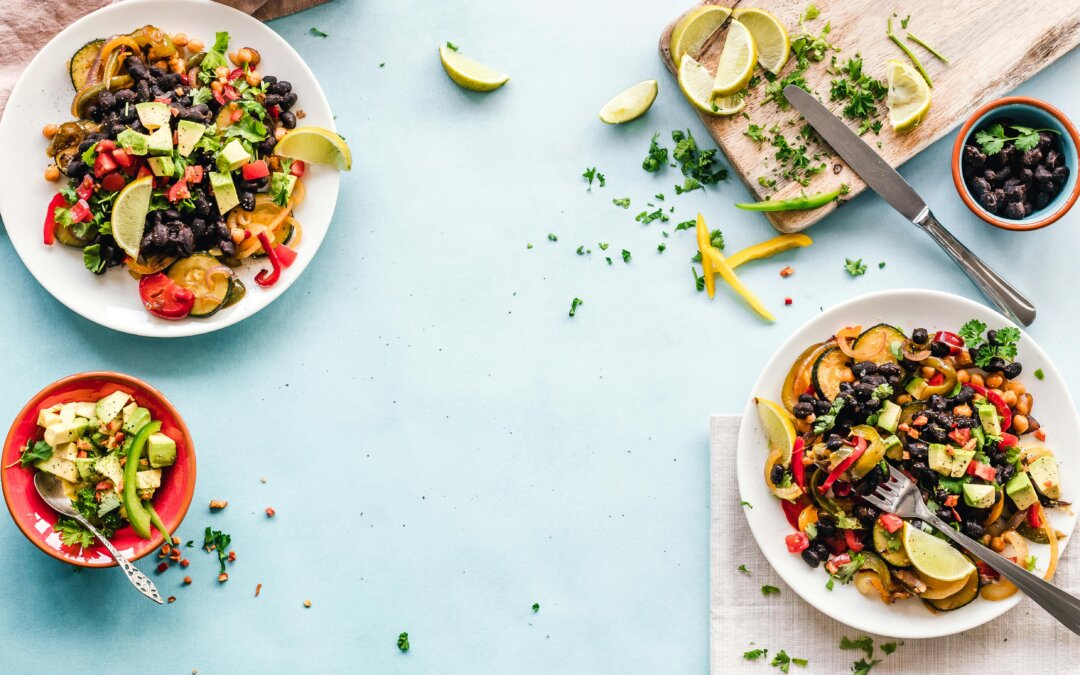
As we step into 2026, the food and nutrition landscape is experiencing a profound shift. After years of chasing quick fixes, single-nutrient obsessions, and technological solutions, we are witnessing a collective return to authenticity, connection, and balance. This year’s trends reveal something deeper than just what we are eating; they reflect how we’re reconsidering our relationship with food, health, and each other.
The Year of “Return to Real”
In the 2026 Trend Report by Nourish Food Marketing, the overarching theme for 2026 is authenticity. Consumers are rejecting ultra-processed foods and returning to real ingredients and traditional proteins. But this shift extends beyond the plate. We are also moving past our fixation on protein toward understanding food as a complex orchestra of interconnected elements working together. Perhaps most importantly, we are rediscovering food’s role as our most powerful antidote to loneliness in an increasingly isolating world.
Food as Social Medicine: Combating the Loneliness Epidemic.
The US Surgeon General has declared loneliness a global health threat equivalent to smoking 15 cigarettes a day. The statistics are sobering: between 2023 and 2024, the time spent attending or hosting social events declined by 50%. Connection is not just a nice-to-have; it is the number one human need, and food is a primary way we forge those connections.
Research from Harvard’s Study of Adult Development found that relationship quality, not wealth or individual health metrics, was the strongest predictor of life satisfaction and longevity. This aligns with insights from Blue Zone research, where social connection emerges as a missing pillar of longevity alongside diet and movement.

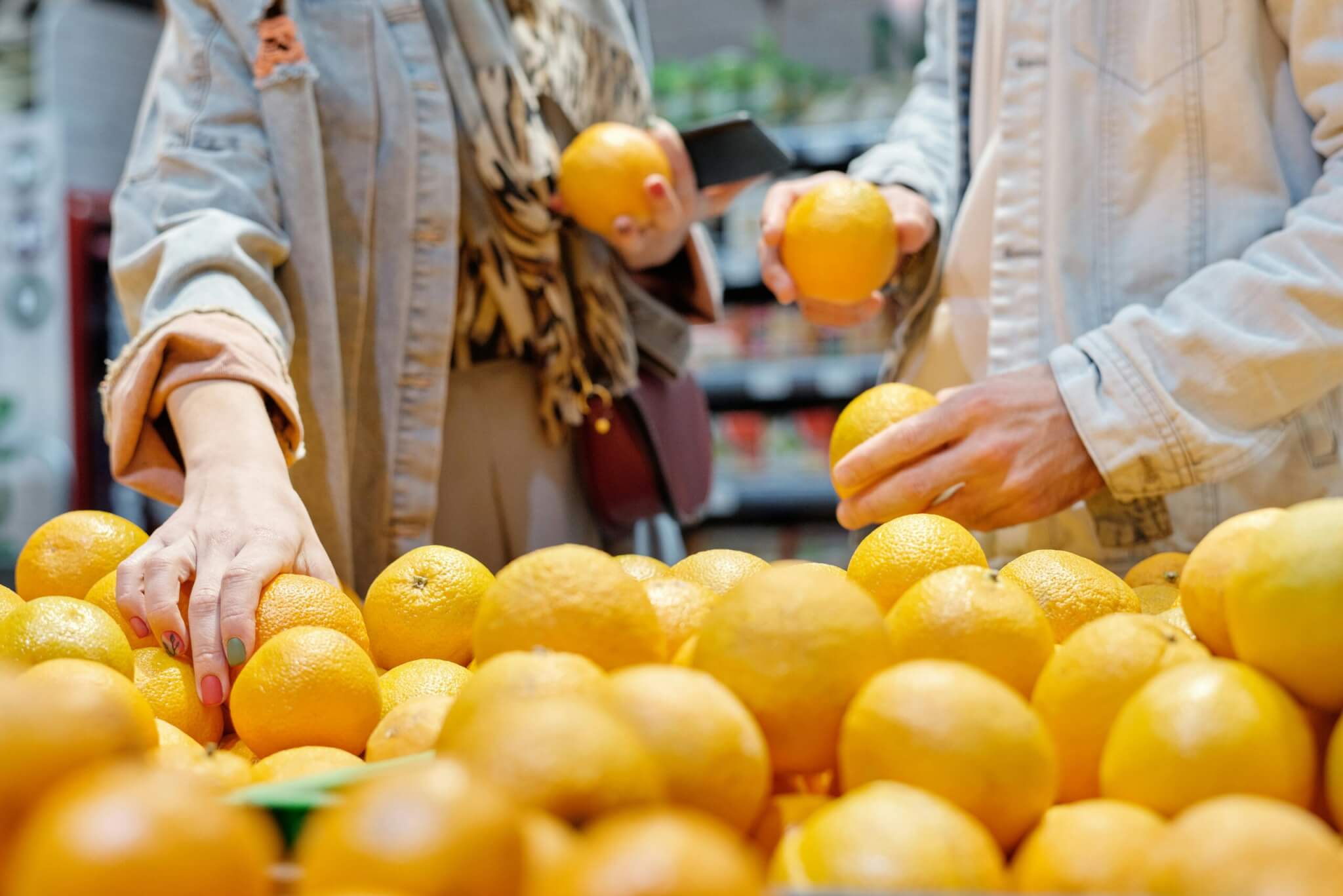
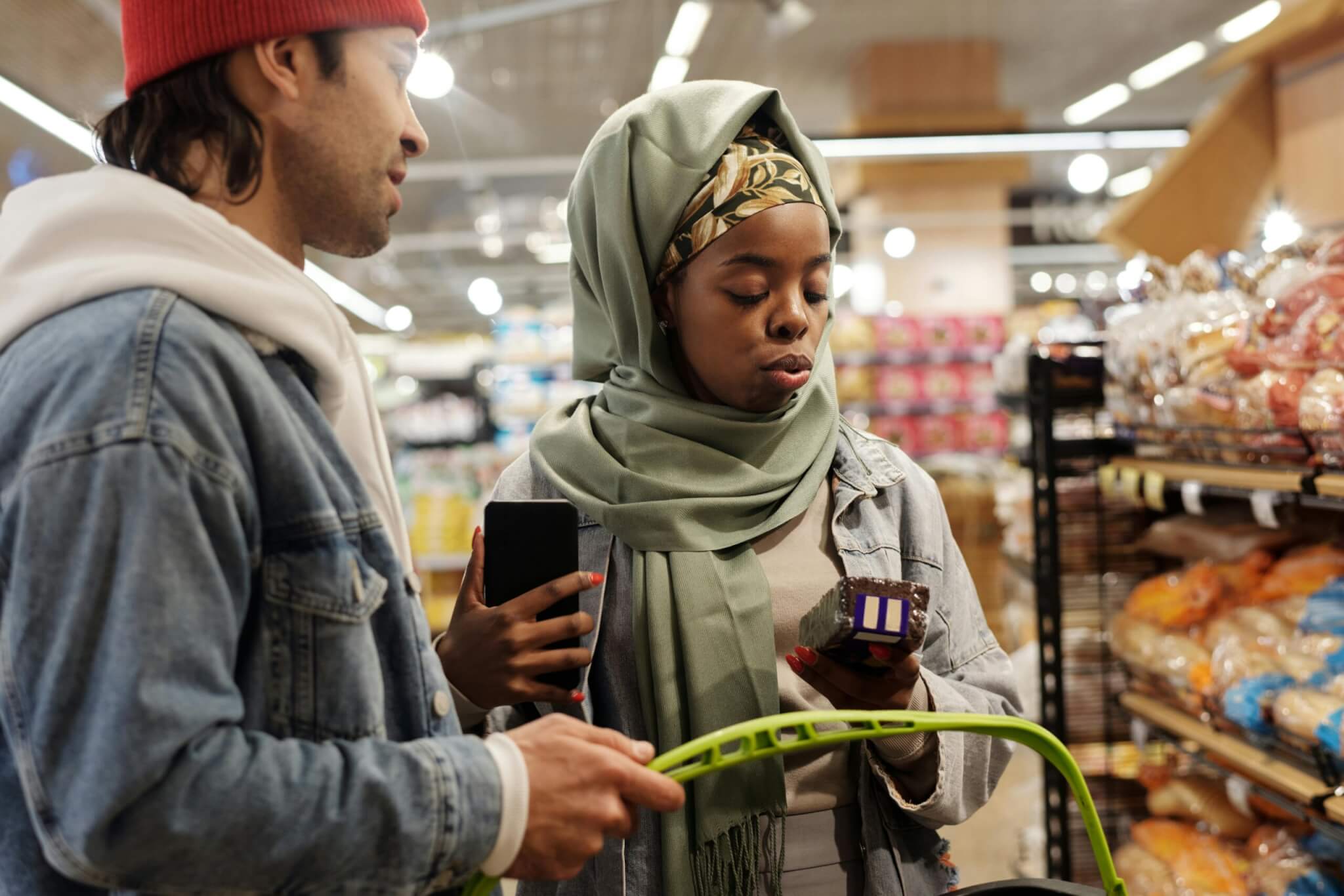
The power of human connection is being recognized in unexpected places. The Dutch supermarket chain Jumbo created slow checkout lanes, or ‘chat lanes’, explicitly designed to prioritize human connection over efficiency. These micro-connections in everyday spaces like grocery stores have restorative power that extends far beyond a simple transaction. As we embrace food as social medicine, the invitation for 2026 is clear: gather around the table with people you love. Share meals. Prioritize connection alongside nutrition.
AI Can’t Replace Human Connection
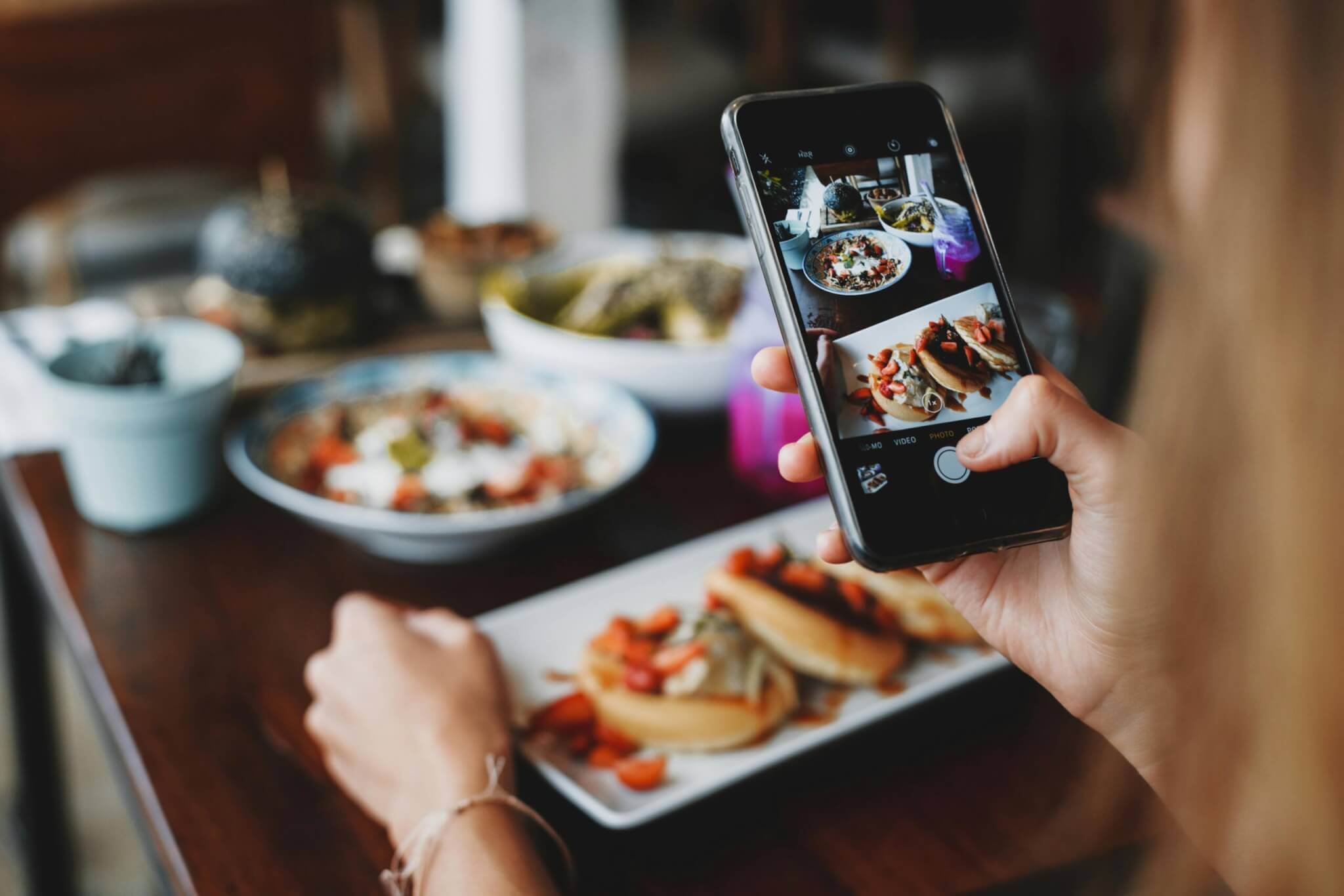
While AI nutrition coaches promise to revolutionize everything from grocery shopping to meal planning, we are discovering what they cannot provide: authentic human experiences, serendipitous discovery, and the messy imperfections that make life meaningful.
Technology has its place, but in an increasingly digital world, the human elements of nutrition care, empathy, clinical judgment, cultural understanding, and therapeutic relationships remain irreplaceable. The rise of bot shoppers and automated meal planning tools highlights a growing tension: efficiency versus connection, convenience versus meaning
Maxed Out on Maxing: Beyond Single-Nutrient Obsession
After years of protein-maximizing trends, 2026 marks a shift toward functional balance. Research consistently shows that the most successful dietary interventions combine protein, fats, carbohydrates, fibre, micronutrients, and water—not just one nutrient.
This balanced approach extends to emerging trends in gut health. The convergence of fibre science, microbiome research, and functional nutrition has created a recognition that digestive wellness serves as the foundation for systemic health. Consumers now view gut health as critical for entire body wellness and are driving demand for products that support microbiome diversity rather than simply adding a single nutrient. Expect to see “fibre maxing” emerge as consumers embrace diverse whole-food sources like oats, legumes, fruits, and vegetables.
Beans and Legumes Take Center Stage
In 2026, and in the face of rising food costs, beans and legumes are trending as affordable, sustainable protein powerhouses. Moving beyond their role as “fake meat” alternatives, they are starring in authentic, versatile dishes like protein bowls, bean pastas, and hearty chilis.
Social media trends like #BeanTok celebrate their budget-friendly appeal, while nutritionists applaud their fibre, protein, and mineral content.
Expect to see specific interest in cannellini and lima beans, creative uses across all meals (even smoothies!), and greater appreciation for how these humble ingredients support both gut health and financial wellness. Plus, I will be presenting a free workshop on Budget Meal Planning, where beans and legumes will be a featured food.
Front-of-Package Nutrition Labels Arrive
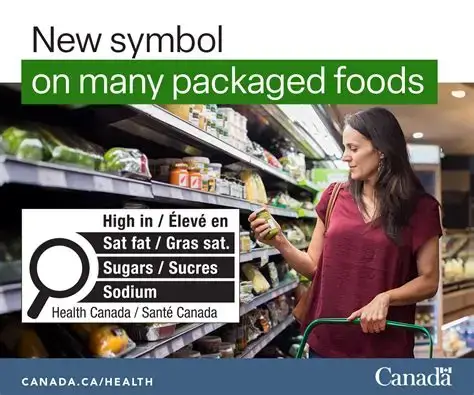
One of the biggest regulatory changes in 2026 is Health Canada’s mandatory Front-of Package Nutrition Symbols. These black-and-white magnifying glass icons appear on packaged foods high in saturated fat, sugars, or sodium, acting as warnings to help consumers identify foods linked to chronic diseases like heart disease and diabetes. Placed in the upper half of packages in both English and French, these labels complement the existing Nutrition Facts table and are part of a broader strategy to encourage healthier food choices and product reformulation.
Embracing Imperfection and Reducing Waste
A positive cultural shift in 2026 is the celebration of authentic foods with all their natural
imperfections. Led by Gen Z’s embrace of realness over artificial perfection, this trend should help reduce horrific amounts of food waste caused by cosmetic standards. When we accept that carrots can be crooked and apples can have spots, we take a meaningful step toward food system sustainability.
However, this movement faces tension from economic realities. Rising costs of whole natural foods may force many Canadians to make difficult choices, as ultra-processed foods continue to be marketed at lower prices. Equity in access to real, whole foods remains a critical challenge.
Plant-Based Innovations Evolve
Plant-based innovations in 2026 are shifting from pure meat and dairy mimicry toward
standalone, nutritious, and functional products. The focus is on whole ingredients, fibre,
prebiotics, gut health benefits, and fermented flavours. Expect convenient formats like ready to-drink beverages and snacks, alongside less processed, naturally appealing options. AI is accelerating product development while sustainability remains a key driver.
Can you say Fricy
Global flavour trends for 2026 feature bold, authentic cultural experiences that blend tradition with innovation. Bright tropical fruits like guava and passionfruit meet spicy-sweet combinations like hot honey and gochujang. The biggest flavour trend is Fricy, a combination of fruits and spices. Nostalgic tastes like dulce de leche and tiramisu appear alongside nutrient-dense ingredients and functional flavours like blackcurrant and floral star anise. Expect deeper integration of flavours in proteins and heightened demand for unique profiles from Malaysia, Korea, and South America.
Trending Ingredients to Watch
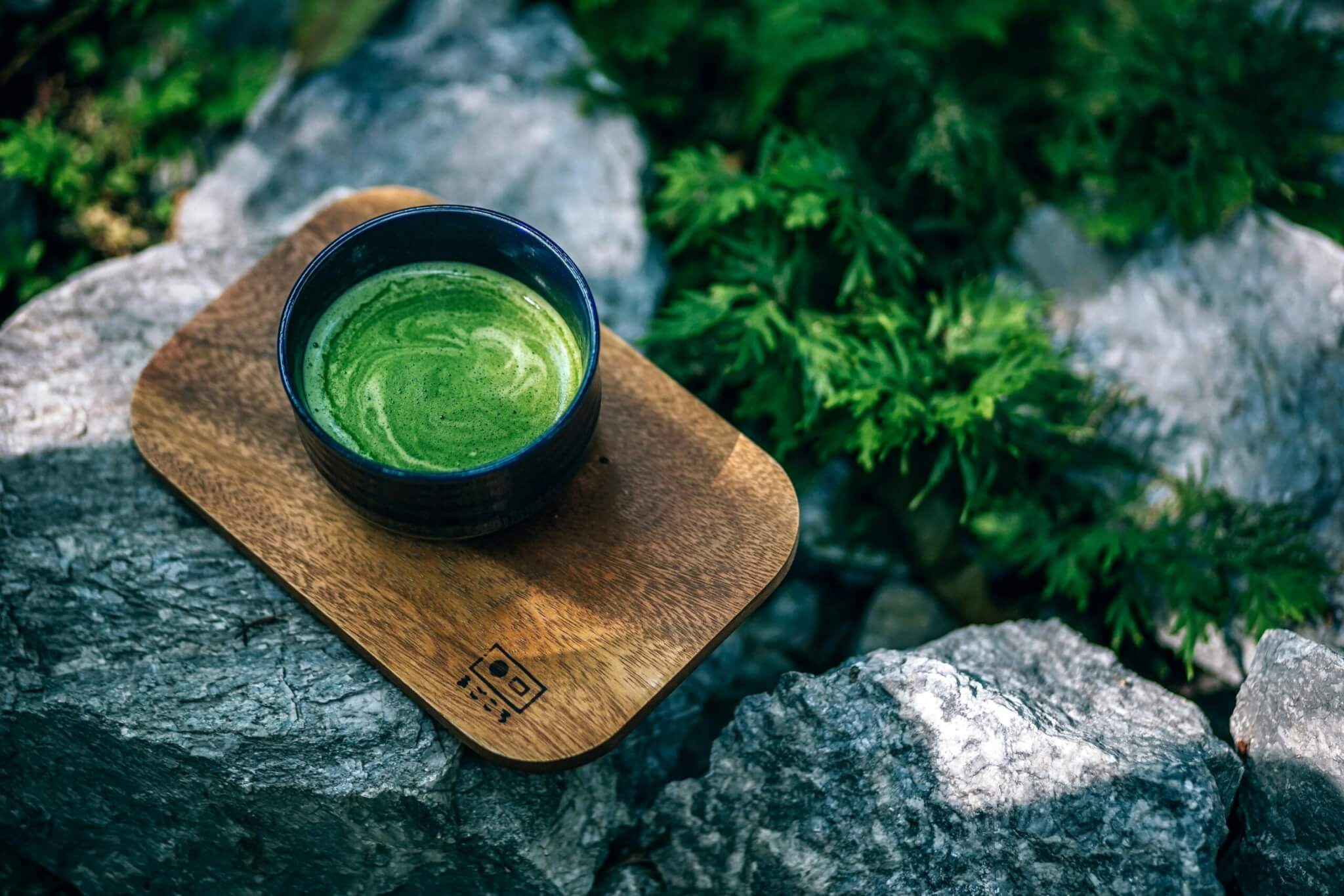
Matcha: Despite a global shortage, matcha continues its expansion from coffee shops to
bakeries and beyond. Yelp’s 2026 Food & Drinks Trend Report predicts even more matcha innovation.
Algae Cooking Oil: Rich in heart-healthy omega-9 monounsaturated fatty acids and omega-3s, algae oil offers high performance in the kitchen with 75% less saturated fat than comparable oils, plus superior sustainability credentials.
Functional and Mushroom Coffee: Protein-infused blends, collagen-enhanced brews, and mushroom coffees featuring adaptogenic ingredients like lion’s mane and chaga are moving mainstream. These beverages promise smoother energy without crashes while supporting immunity, focus, and stress reduction.
Adaptogens: Plant-based herbs like ashwagandha, rhodiola, and maca root help the body mediate stress by interacting with cellular systems. They are appearing increasingly in supplemented beverages, though consulting with a pharmacist before use remains essential.
Beauty Meets Nutrition
The move toward real, authentic foods is impacting the beauty sector through growing
awareness of the gut-skin axis. Nutritional approaches now target root causes of skin and hair issues, recognizing that what you put on your largest organ—your skin—directly affects your wellness.
Principles for the Year Ahead
As we navigate 2026’s trends, several principles emerge:
Balance over extremes: Sustainable wellness comes from balanced approaches, not quick fixes or technological silver bullets. Quality matters: In a world of ultra-processed everything, prioritizing whole foods benefits both individual health and food system sustainability.
Equity is essential: Wellness advice means nothing if people can’t afford to follow it.
Addressing food insecurity and ensuring access to qualified human professionals must be part of the conversation.
Simple is beautiful: Sometimes the best nutrition advice is the simplest—cook at home when you can, eat plenty of plants, include adequate protein, and gather around the table with people you love.
Ready to take the next step in your wellness journey?
Schedule Your Free Discovery Call
If you’re looking for personalized nutrition guidance tailored to your unique needs and goals, I invite you to schedule a complimentary discovery call. Together, we can explore how targeted nutrition support can help you achieve the vibrant health you deserve.
I am looking forward to a year ahead where nutrition and wellness become more accessible, equitable, and focused on what truly matters: helping all people thrive.
Kelly

Thank you for joining me for this month’s nutrition insights! I hope you’ve discovered something new to nourish both your body and your curiosity. Remember, small, consistent steps are what create lasting change in our health journey.
PS. What trends are shaping your eating and wellness habits? What are you hoping to focus on in 2026? For more evidence-based nutrition guidance and practical wellness tips, see Strong Bones, Sharp Mind: The Important Relationship Between Your Brain, Your Bones, and Your Nutrition – Eat Well Be Well
Coming Next Month: In February, we’ll be celebrating Heart Health Month with a special focus on heart health during menopause. Did you know that protecting your cardiovascular health is one of the most powerful strategies for dementia prevention? We’ll explore the heart-brain connection and share practical nutrition strategies to support both. You won’t want to miss it!
Until next month, keep nourishing yourself with intention and compassion. Your next favorite healthy habit might be just around the corner!
Sources
1. U.S. Department of Health and Human Services. (2023). *Our Epidemic of Loneliness and Isolation: The U.S. Surgeon General’s Advisory on the Healing Effects of Social Connection and Community*. https://www.hhs.gov/sites/default/files/surgeon-general-social-connection advisory.pdf
2. Thompson, D. (January 2025). “The Anti-Society Century.” *The Atlantic*. https://
www.theatlantic.com/magazine/archive/2025/02/american-loneliness-personality-politics/681091/
3. Harvard Study of Adult Development. https://www.adultdevelopmentstudy.org/
4. Yelp. (2026). *Food & Drinks Trend Report*. Referenced in: https://www.delish.com/food/a69620387/matcha-trends-2026-yelp-food-drinks-report/
5. Health Canada. Front-of-Package Nutrition Labelling. https://www.canada.ca/en/healthcanada/services/food-nutrition/food-labelling/front-package.html
6. Nourish Food Marketing, The Return of Real – 2026 Trend Report, https://
www.nourish.marketing/news/preview-the-2026-nourish-trend-report