

Celebrating Women’s History Month by shining a light on the groundbreaking research connecting estrogen, perimenopause, and brain health.
Women’s History Month | Brain Health |
March is Women’s History Month. It is a time to celebrate the women who have pushed boundaries, challenged conventions, and changed the world. This year, I want to shine a spotlight on a scientist whose work is quietly revolutionizing the way we understand women’s health: Dr. Lisa Mosconi, neuroscientist, Alzheimer’s researcher, and author of the landmark 2024 book, The Menopause Brain. Her decades of research sit at the powerful intersection of neuroscience, hormonal health, and nutrition.
The Estrogen-Brain Connection: What the Science Tells Us
For decades, the relationship between hormones and brain health was largely overlooked in medical research. Dr. Mosconi has spent her career changing that. Her research reveals something profound and, frankly, overdue: estrogen is not just a reproductive hormone. It is a powerful neuroprotective agent. It supports brain cell function, promotes healthy blood flow to the brain, reduces inflammation, and helps guard against the kind of neurological decline associated with Alzheimer’s disease.
When estrogen levels begin to decline during perimenopause, the transitional phase that can begin years before a woman’s last menstrual period, the brain is affected. Dr. Mosconi’s neuroimaging studies show measurable changes in brain energy metabolism during this transition. The symptoms so many women experience, including brain fog, memory lapses, sleep disruption, mood shifts, and increased anxiety, are not “just hormones.” They are neurological events. And critically, this same period of hormonal change may be a window of vulnerability for long-term brain health, including the risk of dementia.
Women represent nearly two-thirds of all Alzheimer’s cases. Dr. Mosconi’s work strongly suggests that this disparity is not simply a matter of women living longer. It is rooted in biology, and specifically in the neurological impact of estrogen decline. This is not cause for alarm. It is cause for action.
The Menopause Brain: A Roadmap for Women’s Neurological Health
Published in 2024, The Menopause Brain is the culmination of Dr. Mosconi’s seminal work. It is a comprehensive, accessible, and deeply empowering guide to
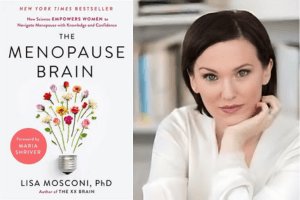
navigating the hormonal transition with your brain health at the forefront. What sets her approach apart is its integrative lens: she doesn’t just describe the problem, she maps out evidence-based lifestyle strategies that can profoundly influence outcomes. And at the heart of those strategies? Nutrition.
Feeding Your Brain: Dr. Mosconi’s Nutritional Framework
As a nutritionist, this is where Dr. Mosconi’s research speaks to me most deeply. She makes a compelling, science-backed case that what we eat directly shapes the health of our brain, especially during and after the menopausal transition.
Here are her key nutritional pillars:
The Greener Mediterranean Diet:
Dr. Mosconi is a strong advocate for a plant-forward, anti-inflammatory way of eating is rooted in the principles of the Mediterranean diet but enriched with even more greens. In a study of over 6,000 women experiencing menopausal symptoms, those who adopted a
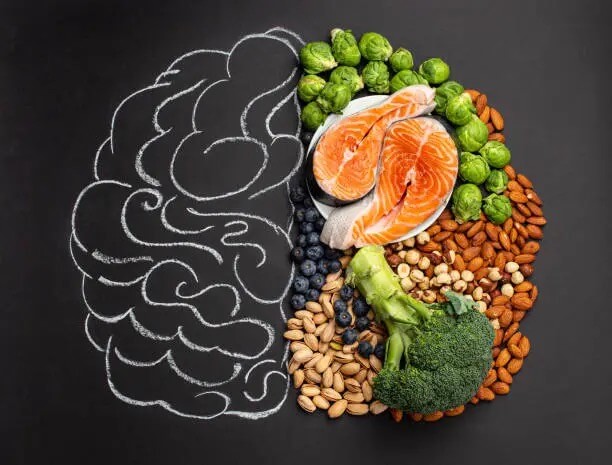
Mediterranean style, anti-inflammatory diet saw a remarkable 20% decrease in hot flashes and night sweats. The diet emphasizes dark leafy greens, cruciferous vegetables, whole grains, and legumes, foods that are rich in fibre, antioxidants, and phytonutrients that support both hormonal balance and brain function.
The Power of Phytoestrogens:
Dr. Mosconi makes a strong case for increasing phytoestrogens, which are plant-based compounds that gently mimic the estrogen produced in our bodies. Foods like flaxseeds, edamame, tofu, tempeh, and chickpeas are rich in these compounds and can help support hormonal balance naturally during perimenopause and beyond.
The Power of Phytoestrogens:
Dr. Mosconi makes a strong case for increasing phytoestrogens, which are plant-based compounds that gently mimic the estrogen produced in our bodies. Foods like flaxseeds, edamame, tofu, tempeh, and chickpeas are rich in these compounds and can help support hormonal balance naturally during perimenopause and beyond.
Omega-3: Barn and Heart in One
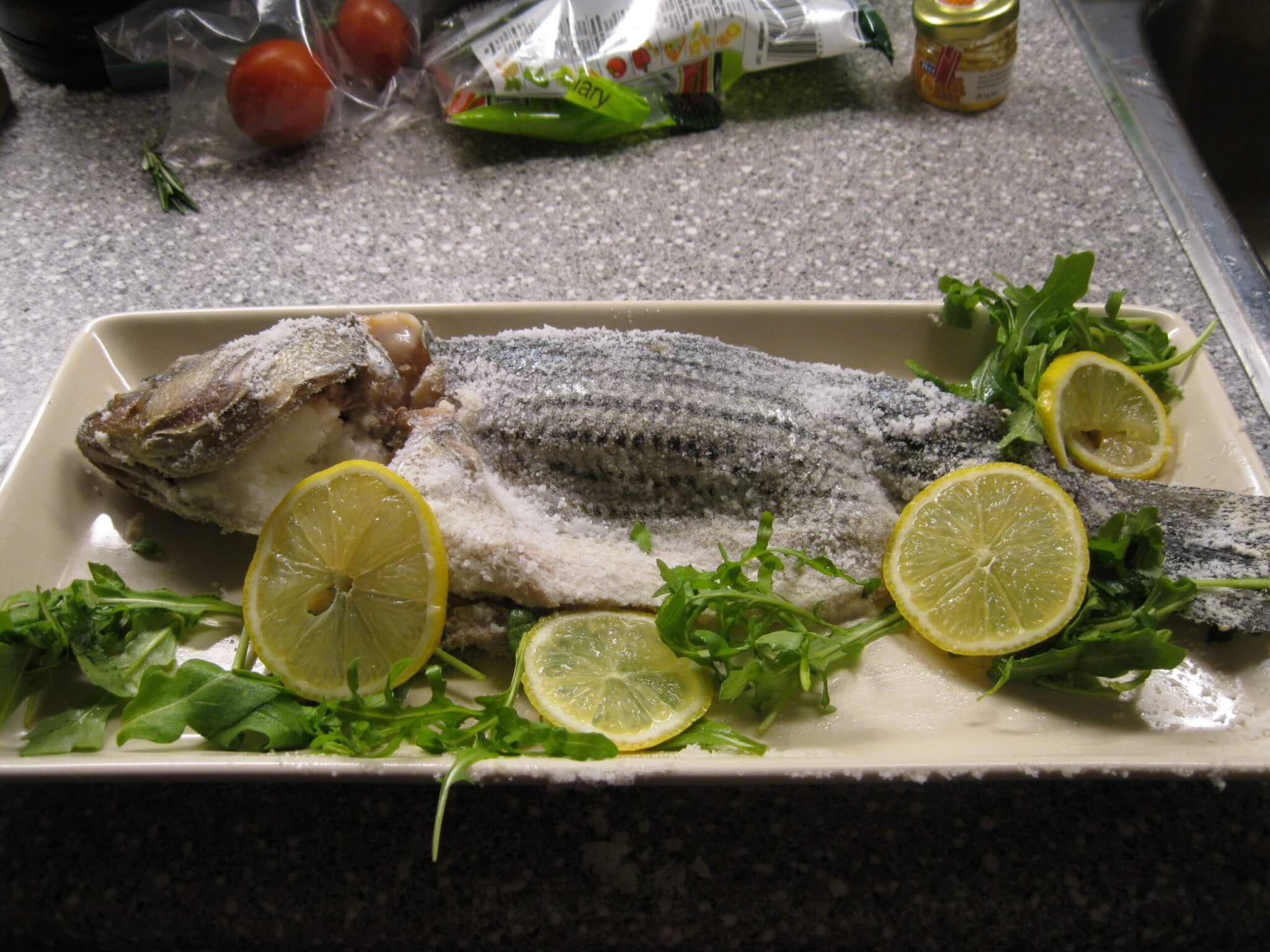
Brain and Heart in One Omega-3 fatty acids are among the most well-researched nutrients for brain health, and Dr. Mosconi underscores their importance for women specifically, not just for neurological protection, but for cardiovascular health as well, which becomes increasingly important post-menopause. Fatty fish like salmon and sardines, walnuts, chia seeds, and flaxseeds are excellent sources.
Lean Protein for Bone and Muscle Health
As estrogen declines, women become more susceptible to muscle loss (sarcopenia) and bone density reduction. Dr. Mosconi highlights the importance of adequate lean protein, from both animal and plant sources, to help preserve muscle mass and structural integrity as we age. Think legumes, eggs, fish, poultry, Greek yogurt, and
tempeh.
Hydration: Drink It and Eat It
Water is essential for cognitive function, toxin removal, and cellular health, and yet most of us are chronically under-hydrated. Dr. Mosconi recommends not only drinking adequate water but eating it through water rich fruits and vegetables: watermelon, cucumber, berries, tomatoes, apples, and lettuce, among others. This dual approach keeps the brain well nourished and supports the body’s natural detoxification processes.
Mindful Eating: A Blue Zone Principle
Dr. Mosconi also emphasizes mindful eating, slowing down, savouring meals, and listening to your body’s hunger and fullness cues. This echoes a key principle of the Blue Zone lifestyle, observed in the world’s longest living populations, where meals are eaten with intention, in community, and without distraction. How we eat matters as much as what we eat.
Why This Research Matters
I am genuinely moved by researchers like Dr. Lisa Mosconi and scientists who not only advance our understanding from a rigorous clinical perspective but who also champion an integrative, whole-person approach to health. Her work validates what so many women have long sensed: that what happens in our bodies during perimenopause is real, meaningful, and deserving of serious attention. And it empowers us with practical, accessible tools, starting with what’s on our plate.

Coming in April: Spring Equinox
I can’t wait to share my April blog, where I’ll be exploring seasonal eating, and celebrating the Spring Equinox with you, the perfect time to refresh your plate and reconnect with nature’s rhythms.

Kelly Beaton | MP | R.H.N.
Ottawa-Based Nutritionist
Check out more EatwellBewell health tips!
February Blog: Love Your Heart This February: Why Cardiovascular Health Is Your Brain’s Best Friend – Eat Well Be Well
Want to Learn More ?
To learn more about upcoming events, recipes, and how nutrition can improve your well-being and health span, the years of vibrant, healthy aging sign up for my newsletter and join the eatwellbewell community!
All the best,
Kelly
Personalise Your Wellness Journey
If you are navigating the menopausal transition, whether you’re experiencing brain fog, weight changes, increased anxiety, disrupted sleep, or any of the wide range of symptoms that can accompany this shift, please know that you are not alone and that nutrition can play a meaningful role in how you feel.
I invite you to book a free 15-minute discovery call with me. Together, we can explore how targeted nutritional support can help you feel more like yourself again.