

By eatwellbewell Nutrition Coaching | Ottawa-based nutritionist specializing in
women’s health, dementia prevention, and healthy aging
May is a time to celebrate renewal, making it the perfect moment to focus on two deeply connected themes: skin health and maternal wellness. While aging is a natural and inevitable part of life, how we experience it, how our skin looks and how our bodies feel, are shaped by everyday choices. Nutrition sits at the center of this story. The same habits that support glowing, resilient skin also fuel energy, strength, and long-term health for women at every stage of motherhood. This Mother’s Day, it is worth shifting the focus from quick fixes to sustainable nourishment that supports both beauty and well-being from within.
Nutrition & Skin Health: Building a Foundation from Within
Did you know that our skin is our biggest organ and as we age, our skin undergoes a series of natural changes. Collagen and elastin production gradually decline, leading to a loss of firmness and elasticity. Skin becomes thinner, drier, and more prone to wrinkles. At the same time, cell turnover slows, which can leave the complexion looking dull or uneven. External factors, such as sun exposure, pollution, smoking, and diet, can accelerate these changes, contributing to what’s often referred to as premature skin aging
While skincare products can help manage surface-level concerns, they cannot replace the foundational role of nutrition. The foods we eat directly influence hydration, inflammation, and the body’s ability to repair and regenerate skin cells. In other words, healthy skin starts long before any serum or cream is applied.
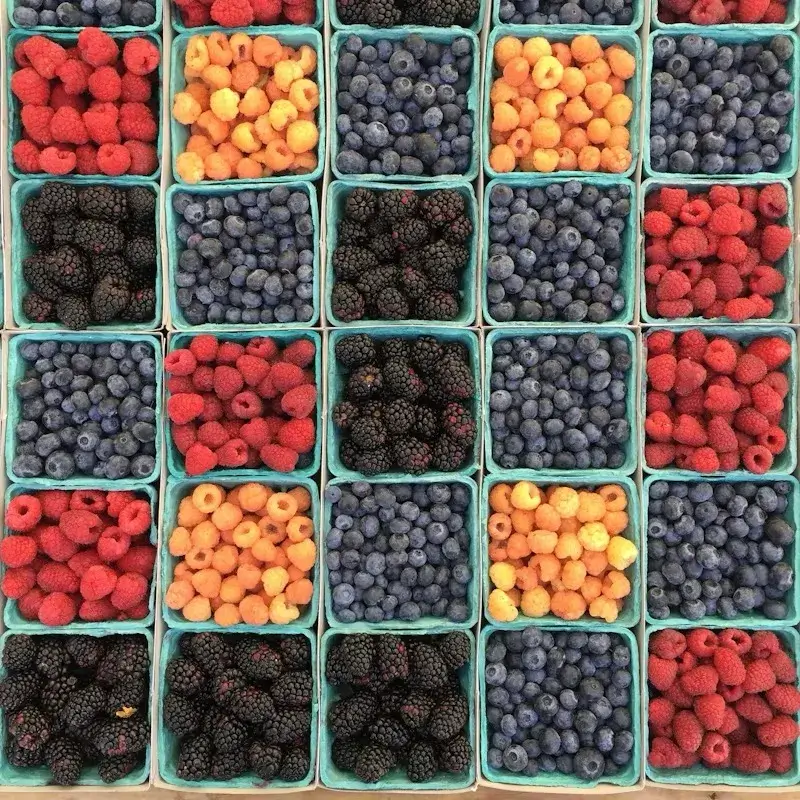
Antioxidant-rich foods are among the most important allies in supporting aging skin. Free radicals, which are unstable molecules generated by environmental stressors, can damage skin cells and accelerate aging. Nutrients like vitamins C and E, along with plant compounds such as polyphenols, help neutralize this damage. Incorporating foods like berries, citrus fruits, leafy greens, nuts, seeds, and green tea into your daily routine can strengthen the skin’s natural defense system. Vitamin C plays an especially important role, as it not only protects against oxidative stress but also supports collagen production.
Healthy fats are another key component of skin health. The skin’s natural barrier relies on lipids to retain moisture and protect against irritants. Diets rich in omega-3 fatty acids have been linked to improved hydration and reduced inflammation. Foods such as salmon, sardines, walnuts, flaxseeds, and chia seeds provide these essential fats and help maintain a smooth, supple appearance.
Protein is equally critical, though often overlooked in conversations about skin. Collagen is made from amino acids, which come from dietary protein. Without adequate protein intake, the body struggles to maintain skin structure and repair damage. Including a variety of protein sources such as lean meats, eggs, dairy, legumes, tofu, and nuts ensures your body has the building blocks it needs.
Hydration, while sometimes underestimated, is essential for maintaining skin elasticity and overall appearance. Dehydrated skin can appear tight, dull, and more prone to fine lines. Drinking water consistently throughout the day is important, but hydration can also come from high-water-content foods, such as cucumbers, watermelon, oranges, and soups.
Micronutrients, like vitamins and supplements, also play a supporting role. Vitamin A contributes to skin cell turnover, zinc supports healing and reduces inflammation, and selenium provides additional antioxidant protection. A simple way to cover these bases is by eating a colourful, whole-food-based diet, which Dr. Korn described as “eating the rainbow.”

It’s also important to consider what may work against skin health. Diets high in added sugars can trigger glycation, a process that damages collagen and elastin. Highly processed foods may increase inflammation, while alcohol can dehydrate the skin and impair nutrient absorption. Excess salt may contribute to puffiness and water retention. Balance is key and limiting them can help protect long-term skin health.
Let’s Talk About Collagen Supplements and Powders
A question I am often asked is: Do collagen supplements and powders work to restore the collagen in your skin? The simple answer is no. Collagen supplements often promise quick improvements in skin appearance, but the reality is more nuanced. When consumed, collagen is broken down into amino acids, which the body uses where needed and not specifically directed to the skin. While some studies suggest modest benefits, the most reliable way to support collagen production remains a balanced diet rich in protein and vitamin C.

Nutrition & Moms: Supporting Health Through Every Stage
While glowing skin is often seen as a sign of good health, true wellness goes much deeper, especially for mothers. Mother’s Day is an opportunity to recognize that a mother’s nutritional needs evolve, and that supporting her health is essential not only for her own well-being but for the health of her family.
In pregnancy and postpartum stages, nutrition plays a critical role in both maternal recovery and infant development. Iron-rich foods such as leafy greens and legumes help prevent fatigue and support oxygen transport, while folate is essential for fetal development. Caloric needs increase modestly, typically by 300 to 500 calories per day, during pregnancy and lactation. Hydration is also especially important for breastfeeding mothers, as fluid needs rise to support milk production.
As women transition into perimenopause, menopause, and post-menopause, hormonal shifts bring new nutritional considerations. Changes in estrogen levels can impact bone density, muscle mass, metabolism, and cardiovascular health. This makes nutrients like calcium and vitamin D increasingly important for maintaining bone strength and reducing the risk of osteoporosis. Protein continues to play a vital role in preserving muscle mass and supporting metabolic health.
Fibre-rich foods, such as whole grains, fruits, vegetables, and legumes, become particularly important during this stage, helping to support heart health and digestion. Healthy fats also contribute to hormone balance and may help manage inflammation.
Beyond physical health, midlife transitions can also affect sleep, mood, and stress levels. Nutrients like magnesium, found in foods such as nuts, seeds, and leafy greens, can support relaxation and improve sleep quality. Creating space for self-care, whether through mindful eating, rest, or physical activity, becomes just as important as the nutrients themselves. For more information on the effects of menopause, check out my March Blog: The Menopause Brain: Honouring Dr. Lisa Mosconi and the Science That’s Changing Women’s Health – Eat Well Be Well.


A Shared Foundation: Skin Health and Whole-Body Wellness
What becomes clear is that the same habits that support healthy skin also support overall wellness. Eating a variety of colourful fruits and vegetables, including healthy fats in meals, prioritizing whole and minimally processed foods, and building balanced plates with protein, fibre, and fats are strategies that benefit both appearance and long-term health.
Lifestyle factors further strengthen this foundation. Sun protection remains one of the most effective ways to prevent premature skin aging. Quality sleep allows the body to repair and regenerate, while regular physical activity supports circulation and nutrient delivery to the skin. Stress management is equally important, as chronic stress can contribute to inflammation and visible skin changes.
Celebrating Mother’s Day with Intention
Mother’s Day can be more than a celebration. It can be a catalyst for healthier habits. Preparing a nutrient-dense meal, gifting a cookbook focused on whole foods, or encouraging time for relaxation are meaningful ways to support maternal wellness. Even small gestures, like sharing a walk outdoors or planning a balanced, home-cooked meal, can reinforce the importance of health and self-care.

The Takeaway
Aging is inevitable, but how we support our bodies through that process is within our control. Healthy skin and overall wellness are not built through expensive products or short-term trends, but through consistent, nourishing habits. A diet rich in antioxidants, healthy fats, protein, and essential vitamins, paired with hydration and supportive lifestyle choices, creates a strong foundation for both radiant skin and long-term health.
This Mother’s Day, the message is simple: nourishing your body is one of the most powerful forms of self-care. By prioritizing nutrition and wellness at every stage, from early motherhood through the menopausal transition and beyond, you are ot only supporting how you look, but how you feel, function, and thrive for years to come.
A Gift of Wellness
A great Mother’s Day gift is a gift of wellness. Consider taking the first step toward feeling your best by setting up a free 15-minute discovery call to explore how you can reset and rejuvenate your health and habits.
And don’t forget to look out for the June 2026 blog, where I will dive (no pun intended) into the powerful role of water in supporting your physical, mental, and emotional well-being.

Kelly Beaton | MPA | R.H.N.
Ottawa-Based Nutritionist
Check out more eatwellbewell health tips!
Want to Learn More ?
To learn more about upcoming events, recipes, and how nutrition can improve your well-being and health span, the years of vibrant, healthy aging sign up for my newsletter and join the eatwellbewell community!
All the best,
Kelly