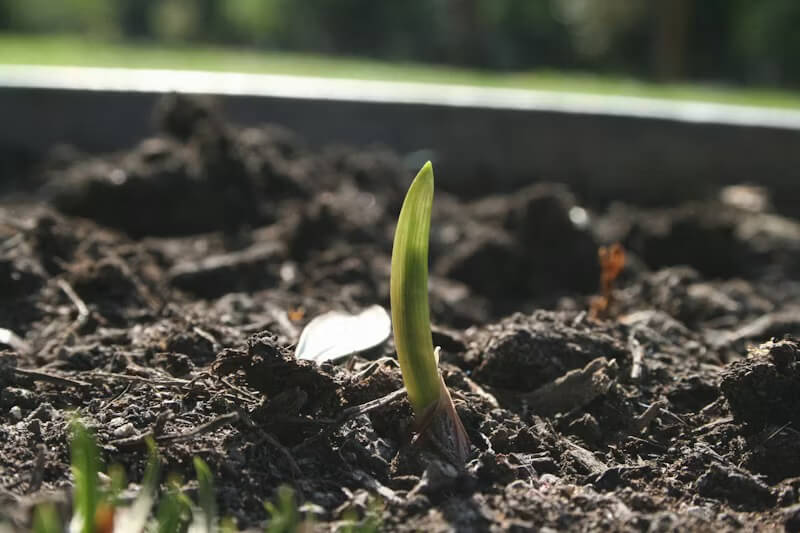

Why what you eat this season matters more than you think.
By eatwellbewell Nutrition Coaching | Ottawa-based nutritionist specializing in
women’s health, dementia prevention, and healthy aging
April 2026
The spring equinox, on March 26, was one of nature’s most powerful reset moments, a day when light and dark find perfect balance before the long, luminous days of summer take hold. Butdid you know that this seasonal shift also signals something important inside your body? After months of shorter days, heavier foods, and the physiological effects of reduced sunlight, your body is genuinely ready to shed, renew, and rebuild. And what you put on your plate plays a bigger role in that process than most people realize.
This April, I’m also pausing to honour something equally important: National Caregivers’ Day on April 7. As someone who has lived the caregiving experience firsthand, as a live-in caregiver alongside my sister to our mom, who had vascular dementia. This day holds a very personal place in my heart. More on that below.
Why does the spring equinox matter for your body?
After winter, your body has likely been in a kind of hibernation mode, relying on stored energy, craving comfort foods, and producing less serotonin due to reduced sunlight exposure. As light returns and temperatures rise, your circadian rhythms shift, your digestive system becomes more active, and your lymphatic system, your body’s built-in detox network, is ready to move.

This is precisely why spring has been associated with renewal across cultures and traditions for centuries. Traditional Chinese medicine, Ayurveda, and even modern nutritional science all support the idea that spring is the ideal time to lighten the dietary load, increase hydration, and introduce fresh, vibrant foods that support liver function, gut health, and energy levels.
What should you eat to support your body this spring?
Spring produce is perfectly designed to support what your body needs right now. Think bitter greens that stimulate digestion, antioxidant-rich berries, and hydrating vegetables that help flush out the sluggishness of winter.
NOURISH WITH THESE
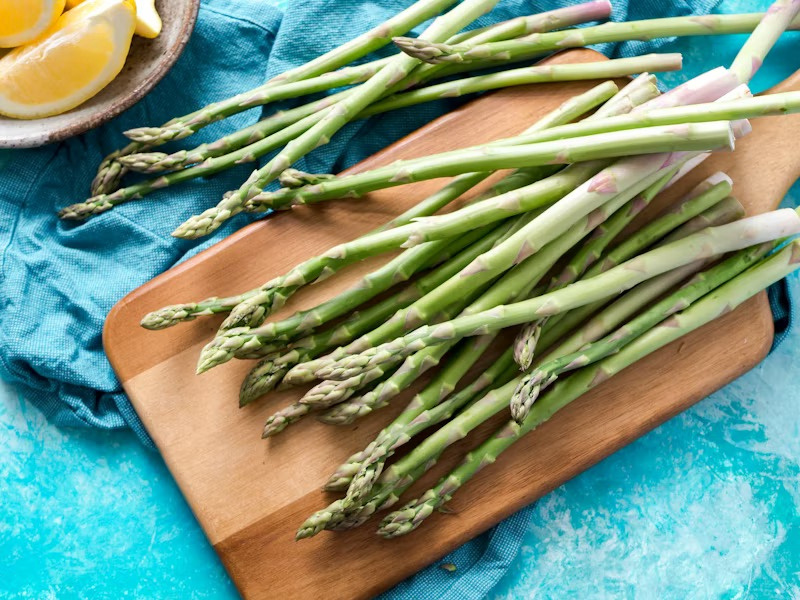
• Asparagus — prebiotic, supports gut and liver
• Arugula, watercress, dandelion greens — bitter, digestive stimulating
• Radishes — liver-supportive, hydrating
• Peas and broad beans — plant protein, mood-supporting B vitamins
• Strawberries — antioxidant-rich, anti-inflammatory
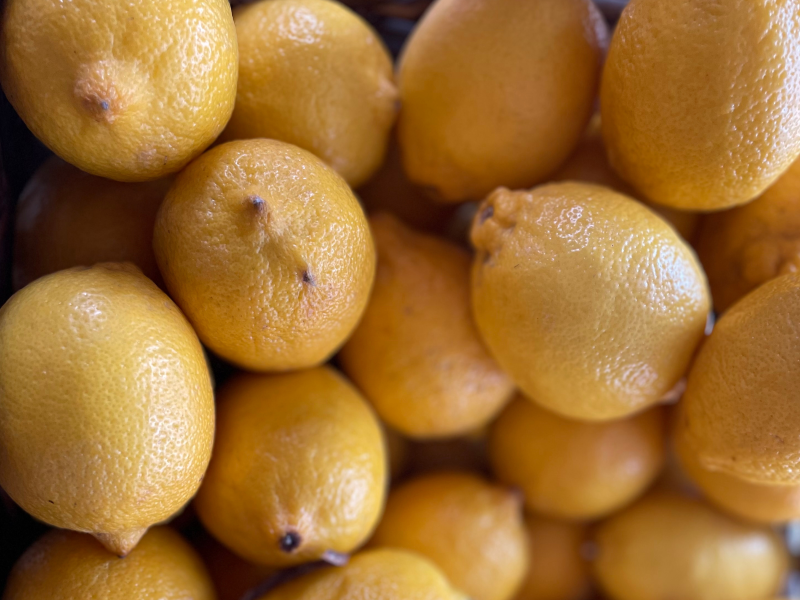
• Lemon and ginger — digestive, alkalizing
• Fennel — bloat-reducing, hormone-balancing
• Wild salmon and sardines — omega-3s for stress and inflammation
• Fermented foods — kefir, kimchi, yogurt for gut microbiome

EASE AWAY FROM THESE
• Heavy, processed comfort foods — slow digestion, raise inflammation
• Excess sugar — disrupts energy, feeds harmful gut bacteria
• Ultra-processed snacks — deplete B vitamins and magnesium
• Excessive caffeine — spikes cortisol, disrupts sleep
• Alcohol — stresses the liver when it’s working hardest
• Refined carbohydrates — blood sugar spikes, energy crashes
• Trans fats and seed oils — pro-inflammatory, mood-disrupting
Which lifestyle habits make the biggest difference in spring?
Food is just one piece of the spring renewal puzzle. Pairing your
seasonal eating with a few intentional lifestyle habits can amplify
the benefits significantly:

1. Get outside within 30 minutes of waking — morning light helps reset your circadian rhythm and boosts serotonin naturally.
2. Start your day with a glass of warm lemon water to gently stimulate digestion and support the liver.
3. Move your body in nature — even a 20-minute walk in green space has been shown to lower cortisol measurably.
4. Prioritize sleep as daylight hours extend — your body does its deepest repair work at night.
5. Reduce screen time in the evening to protect melatonin production as the days get longer.
Research confirms what many caregivers already feel in their bones: the majority of caregivers are women, and they face significantly elevated risks of developing metabolic conditions, including type 2 diabetes, cardiovascular disease, and autoimmune disorders, directly linked to chronic, sustained stress. This is not a weakness. This is biology.

What does stress actually do to a caregiver’s body?
When we are under prolonged stress, our bodies flood with cortisol. In short bursts, cortisol is helpful. It keeps us alert and responsive. But in the relentless, round-the-clock reality of caregiving, elevated cortisol becomes destructive. It disrupts blood sugar regulation, promotes fat storage around the abdomen, impairs sleep, depletes magnesium and B vitamins, suppresses immune function, and increases inflammation throughout the body. Over time, this creates the perfect conditions for burnout and metabolic disease.
What are some simple daily hacks to avoid caregiver burnout?
You may not have an hour for self-care. But you likely have five minutes. Start there.
• Eat before you’re running on fumes. Blood sugar crashes
worsen mood, fog, and cortisol spikes. Keep easy, nourishing
snacks on hand like a handful of nuts, a boiled egg, a banana
with almond butter.
• Magnesium is your stress mineral. Dark leafy greens, pumpkin
seeds, dark chocolate, and legumes are all rich sources.
Consider a magnesium glycinate supplement at night, It
supports sleep and nervous system recovery.
• Hydrate intentionally. Chronic stress increases fluid loss. Aim for
2 litres of water daily and add cucumber or mint if you don’t like
the taste of plain water.
• Aim for one anti-inflammatory meal a day. You don’t need to
overhaul everything. One salmon fillet, a big salad with olive oil,
or a turmeric smoothie can meaningfully reduce systemic
inflammation over time.
• Protect your sleep fiercely. Even 20 minutes of rest when your
loved one rests can shift your cortisol trajectory for the day.
Remember that rest is not laziness.
• Ask for help and accept it. Isolation amplifies stress hormones.
Connection is genuinely protective. Reach out to a friend, a
support group, or a professional. You are not meant to do this
alone.
How did caregiving shape my approach to nutrition?
My mother’s journey changed the course of my career and deepened everything I understand about food’s extraordinary power not just to nourish our bodies, but to sustain our relationships with each other and with ourselves. Her story is a significant part of why eatwellbewell exists and why I am so passionate about women’s health, dementia prevention, and healthy aging. If you are in the thick of caregiving right now, please know: you are seen, and your health matters profoundly.

Where do you start?
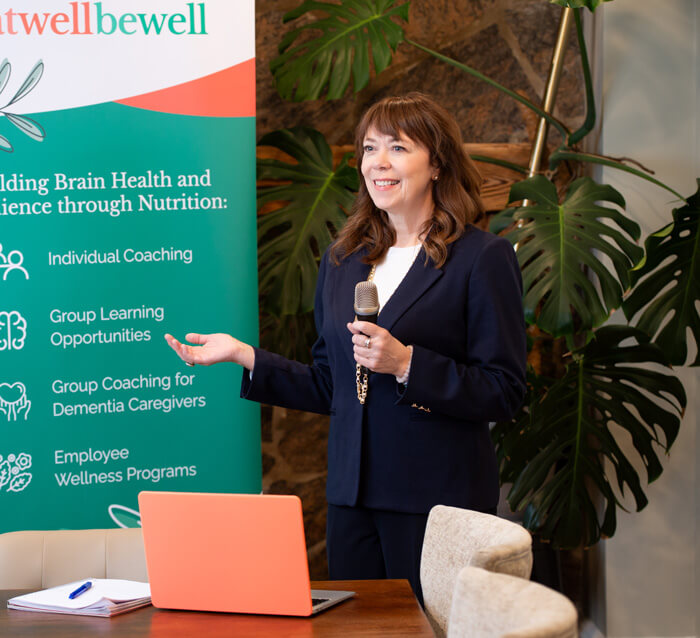
Whether you’re welcoming Spring as a chance to refresh your eating habits, navigating the weight of caregiving, or simply trying to feel a little more like yourself, small, consistent food and lifestyle choices add up to meaningful change. You don’t need a
perfect plan. You need a place to start. That’s what I’m here for. As an Ottawa-based nutritionist specializing in women’s health, dementia prevention, and healthy
aging, I work with women at every stage of life to build sustainable habits that truly nourish body, mind, and relationships.
New this month:
The eatwellbewell quarterly newsletter has officially launched!
Sign up to receive seasonal nutrition tips, recipes, and wellness inspiration
delivered straight to your inbox.
Previous blogs can be found on the Blog Page
Coming in May: How food supports your skin — nourish your glow from the
inside out, just in time for summer. You won’t want to miss it.

Kelly Beaton | MPA | R.H.N.
Ottawa-Based Nutritionist
Check out more eatwellbewell health tips!
Want to Learn More ?
To learn more about upcoming events, recipes, and how nutrition can improve your well-being and health span, the years of vibrant, healthy aging sign up for my newsletter and join the eatwellbewell community!
All the best,
Kelly
Sign up to receive my monthly newsletter
Stay up to date on menopause and brain nutrition, tips, workshops, and events.

Copyright©2026 eatwellbewell | About | Privacy Policy | Terms of Use | Disclaimer