
Kelly Beaton, MPA, R.H.N. | July/August 2026
Ottawa-based nutritionist and founder of eatwellbewell, a nutrition coaching practice specializing in women’s health, dementia prevention and healthy aging
There’s a particular kind of joy that only summer brings, and as a nutritionist who spends her
days talking about brain health and healthy aging, I’ve come to see that joy as more than just
pleasant. It’s *protective*. The things I love most about this season aren’t indulgences on the
side of “real” health habits; they’re some of the most powerful tools we have for building brain
resilience, especially for those of us navigating postmenopausal life.
So today, instead of a list of rules, I want to share what my summer actually looks like and the
science behind why it’s so good for us.
Sunshine at Both Ends of the Day
As I am getting older, I am waking up earlier. One of my greatest pleasures is catching that soft morning light before the world wakes up, and then, hours later, watching the sky soften into a late sunset. This isn’t just about beauty (though it is beautiful). Morning light exposure helps anchor our circadian rhythm, the internal clock that governs sleep, hormone regulation, and even memory consolidation.
For postmenopausal women, whose sleep architecture is already shifting due to declining estrogen and progesterone, a well-set circadian rhythm is one of the simplest, most accessible ways to protect deep sleep, and deep sleep is when the brain does its overnight housekeeping, clearing away metabolic waste linked to cognitive decline.
Evening light matters too. Watching a sunset cues the body that it’s time to wind down, supporting natural melatonin production rather than fighting against it with screens and artificial light. Bookending my day with sunlight has become a non-negotiable ritual, not because a wellness influencer told me to, but because I feel the difference in how I sleep and how clearly I think.
The Pond, the Cold Water, and My Feet
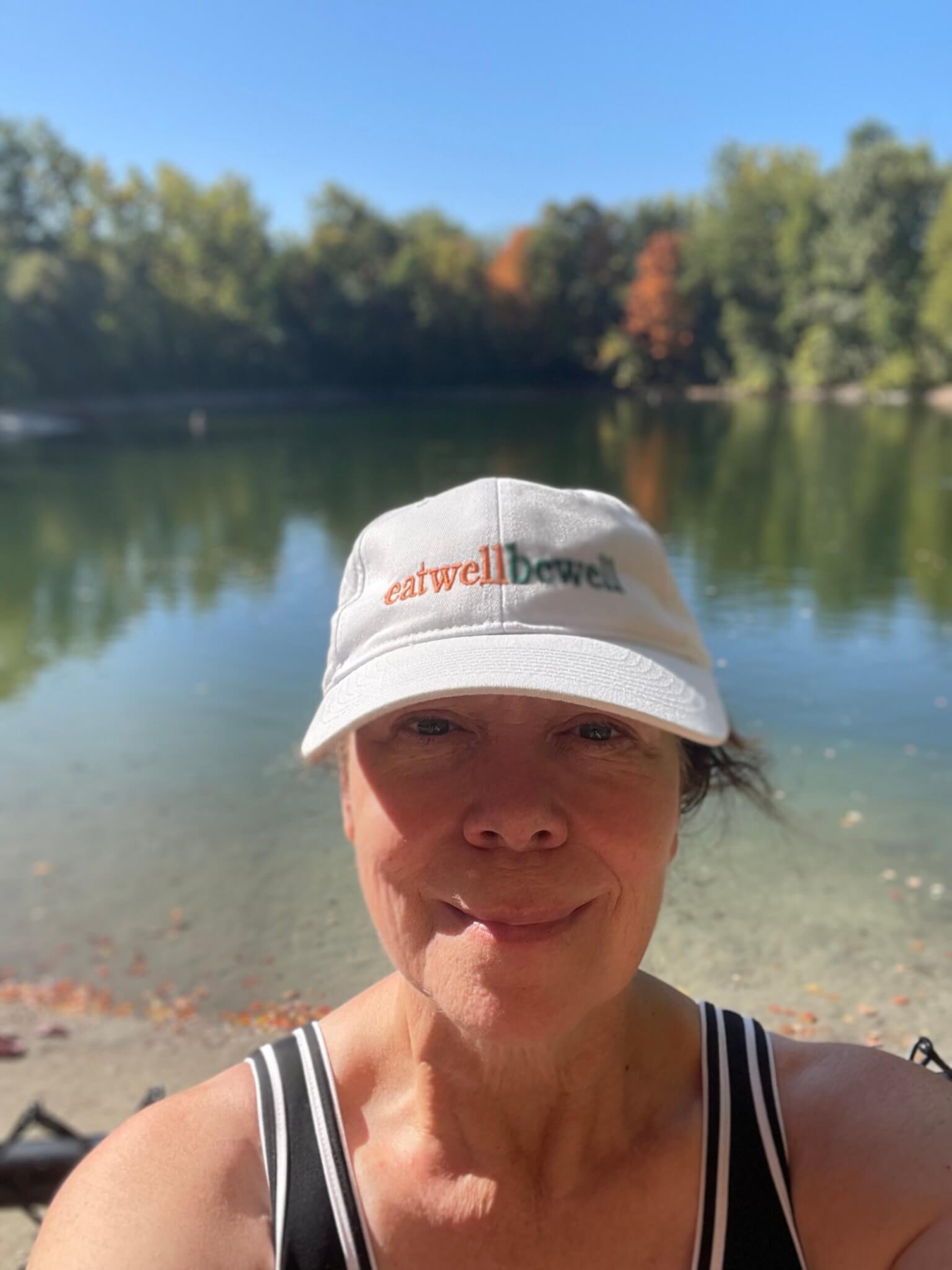
Every morning that I can, I swim in a pond near my home. There’s a moment, right when my feet first touch that cool water, that I feel happy. It turns out that moment is doing more for me than I ever realized.
Cold water immersion has been studied for its effects on the vagus nerve and the parasympathetic nervous system, helping to regulate stress response and lower cortisol. Chronically elevated cortisol is one of the more under-discussed contributors to cognitive decline and memory difficulties in midlife women, so anything that helps us regulate our stress response safely and enjoyably is doing quiet, meaningful work for our brains.
Add in the movement of swimming itself, which increases blood flow and oxygen delivery to the brain and supports the release of BDNF (brain-derived neurotrophic factor, sometimes called “fertilizer for the brain”), and you have a habit that’s doing double duty for cardiovascular and cognitive health at once.
Berries: Small Fruit, Big Brain Benefits
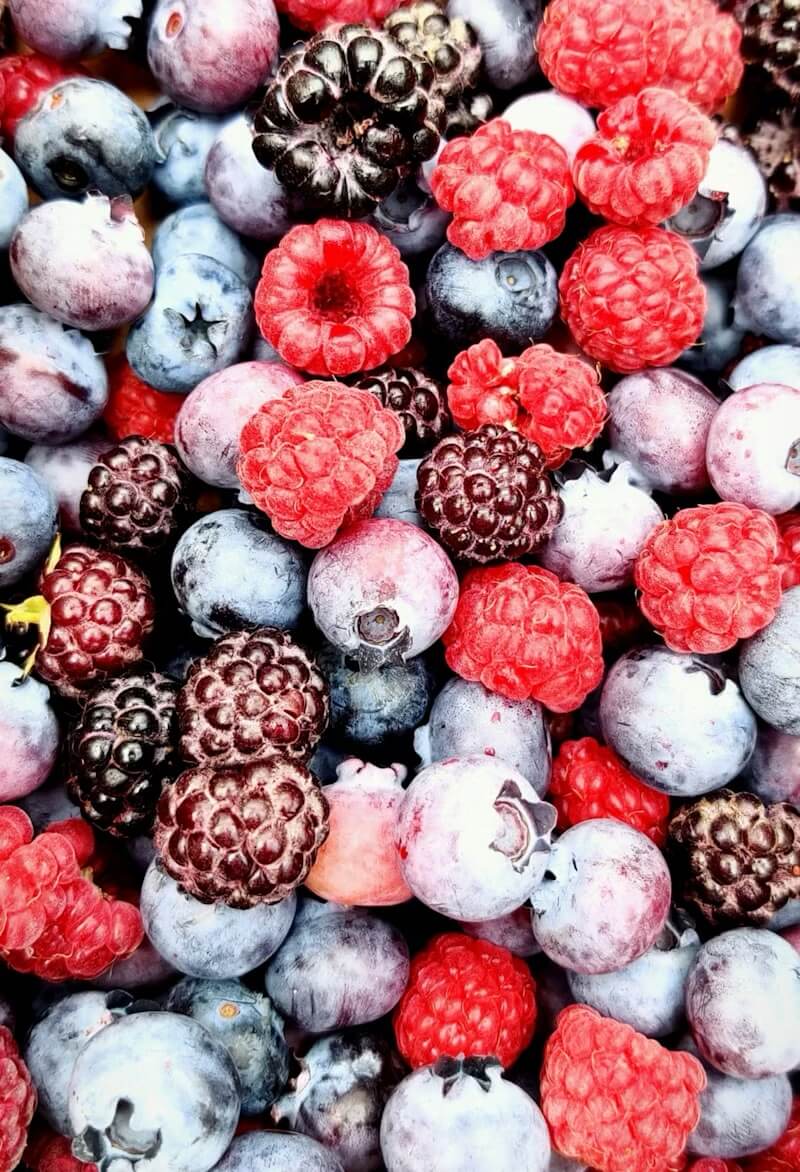
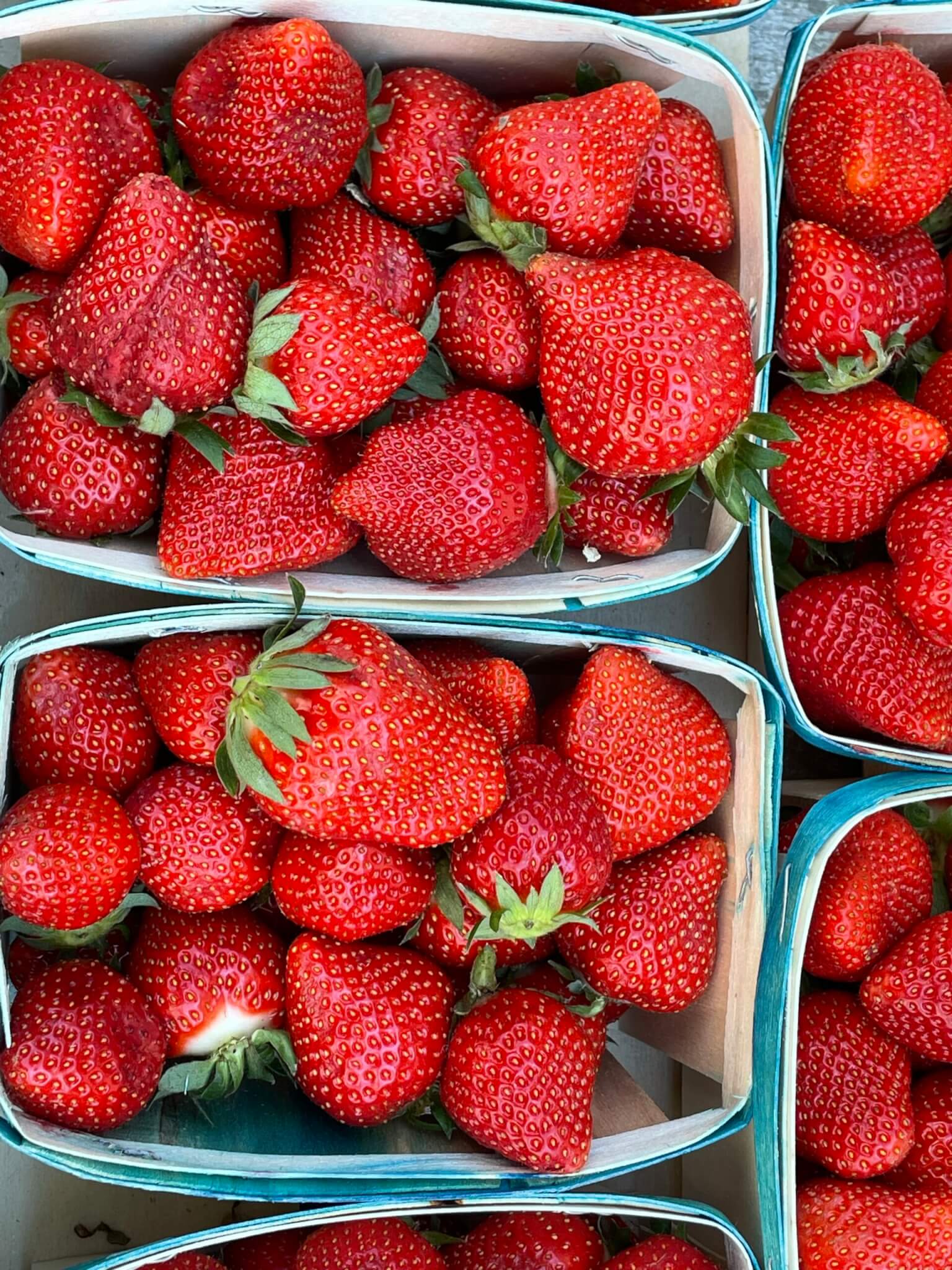
Local strawberries, blueberries, and raspberries are, without question, one of the great gifts of an Ontario summer. I eat them by the bowlful, bake with them, toss them into salads, and I never feel a shred of guilt, because berries are among the most well-researched brain foods we have.
Berries are rich in anthocyanins and other polyphenols, plant compounds shown to reduce inflammation and oxidative stress in the brain, two of the key drivers behind age-related cognitive decline and dementia risk. Blueberries in particular have been linked in research to improved memory performance in older adults. And because they’re local and in season right now, you’re getting them at peak nutrient density, peak flavour, and lowest cost a rare case where what’s best for your brain, your palate, and your wallet all align.
Eating Outside, Eating Slowly
Whenever the weather allows it and honestly, sometimes even when it’s borderline, I try to eat every meal I can outside. Al fresco eating isn’t just charming; it changes *how* we eat. Outside, I naturally slow down. I am more present with my food. I feel the sun, notice the breeze, listen to the birds, and more often than not, I’ve got a small audience of squirrels bounding around hoping I’ll share a peanut or two (I usually do).
This slower pace matters more than we tend to acknowledge. Eating slowly gives your body time to register satiety signals, supports better digestion, and reduces post-meal blood sugar spikes, all of which matter enormously for metabolic and brain health in midlife, when insulin sensitivity naturally begins to shift.
But there’s another layer here too: eating outside, surrounded by natural stimuli, is a form of what researchers call “soft fascination”, the kind of gentle, undemanding attention that nature draws from us, effortlessly capturing our focus without depleting it and giving our overstimulated minds room to rest. As Buddhist teacher Thich Nhat Hanh put it, “Smile, breathe and go slowly.” It’s simple advice, but it happens to be exactly what an al fresco meal invites you to do.
July 24: International Self-Care Day
Did you know that July 24 marks International Self-Care Day, and if there’s one thing I hope
you take from this post, it’s that self-care isn’t a spa day you save for once a year. As WHO
scientist Dr. Manjulaa Narasimhan has said, “self-care is the first line of response for all health
care.” It’s the sunrise you notice, the cold water on your feet, the berries on your plate, the
slow meal outside. Self-care, done well, is daily, small, and deeply connected to how we age.
TIP: Building brain resilience isn’t about one big overhaul. It’s about consistently choosing the small things that nourish us, day after day
As much as I love summer, fall is coming and with it, a shift in what our bodies and brains need. If you’d like some support translating these summer habits into a way of eating and living that carries you well into autumn, I’d love to help.
Get Ready for Fall
I offer a free 15-minute Discovery Call with anyone who wants to talk through their nutrition and habits and start preparing for the season ahead. Let’s chat about where you are and where you’d like to be. https://eatwellbewell.ca/contact/.
And mark your calendar: my September blog will celebrate the fall equinox (September 22) and identify the key foods that help prepare our bodies and brains for the transition into autumn. Until then, get outside, get your feet wet, and eat those berries. Your brain will thank you 🙂

Want to Learn More ?
To learn more about upcoming events, recipes, and how nutrition can improve your well-being and health span, the years of vibrant, healthy aging: sign up for my newsletter and join the eatwellbewell community!
All the best,
Kelly
Check out more eatwellbewell health tips!
The Power of Water: Your Most Essential Wellness Tool as You Age – Eat Well Be Well
Nourrish your Glow: Nutrition for Healthy Skin and Strong moms this Mothers Day
References:
1. Krikorian, R., et al. (2020). Cognitive performance in relation to urinary anthocyanins and their flavonoid-based products following blueberry supplementation in older adults at risk for dementia. *Journal of Functional Foods*, 64, 1 10.
2. Bowtell, J.L., Aboo-Bakkar, Z., Conway, M.E., Adlam, A.R., & Fulford, J. (2017). Enhanced task-related brain activation and resting perfusion in healthy older adults after chronic blueberry supplementation. *Applied Physiology, Nutrition, and Metabolism*, 42(7), 773–779.
3. Bensalem, J., et al. (2019). Polyphenols from grape and blueberry improve episodic memory in healthy elderly with lower level of memory performance: A bicentric double-blind, randomized, placebo-controlled clinical study. *Journal of Gerontology: Series A*, 74(7), 996 1007.
4. Kirk, R.I., et al. (2023). Cardiovascular and mood responses to an acute bout of cold water immersion. *Physiology & Behavior*, 270, 114309.
5. Sleep Disturbances in Menopause: Neuroendocrine Mechanisms and Clinical Implications. (2026). *Endocrines*, 6(2), 22
6. Kaplan, S. (1995). The restorative benefits of nature: Toward an integrative framework. *Journal of Environmental Psychology*, 15(3), 169–182.
7. Basu, A., Duvall, J., & Kaplan, R. (2019). Attention restoration theory: Exploring the role of soft fascination and mental bandwidth. *Environment and Behavior*, 51(9-10), 1055–1081.
8. World Health Organization / International Self-Care Foundation. International Self-Care Day, observed annually on July 24.
*This article is intended for general educational purposes and is not a substitute for
individualized medical or nutritional advice.*