
Kelly Beaton, MPA, R.H.N. | October 2026
Ottawa-based nutritionist and founder of eatwellbewell, a nutrition coaching practice specializing in women’s health, dementia prevention and healthy aging
There is a moment every fall when I step outside, and the air has changed. The light is softer, the maples along the canal and the Gatineau hills are blazing, and pumpkins litter grocery stores. Fall has always felt like nature’s reminder that change can be beautiful, even when it asks us to let go of what was.
Marking transitions is the theme of my fall eatwellbewell newsletter: the seasonal ones we can see out the window, and the physical ones we feel in our own bodies as we age. Both deserve our attention, and both go more gently when we prepare for them.
It seems fitting, then, that October is World Menopause Awareness Month, with World Menopause Day marked every year on October 18. This year the International Menopause Society has chosen the theme Chronic Pain in Midlife, shining a light on the aches, stiffness and joint pain so many women quietly live with.
October is also Breast Cancer Awareness Month. Building awareness is very important, but it is equally essential to take care of yourself all year long. Women’s health is much more than a month.
Menopause is a transition, not an ending. In Canada, the average age of menopause is 51, and perimenopause, the years leading up to it, can begin in our early to mid-40s and last several years. As estrogen declines, the way our bodies use food changes too. What nourished us at 35 may not be enough at 50.
The good news? What we put on our plates is one of the most powerful tools we have. Here are the nutrients I encourage women to focus on as they move from perimenopause into post menopause.
Seven nutrients to carry you from peri to post
Calcium. Bone loss is fastest in the years around the final period. Health Canada recommends 1,000 mg of calcium a day for women up to age 50 and 1,200 mg after 50. Osteoporosis Canada encourages us to get there with food first: dairy or fortified plant beverages, canned salmon or sardines with the bones, tofu set with calcium, kale, bok choy and tahini (sesame seed paste).
Magnesium. This quiet multitasker supports bone, muscle and nerve function, and many women find magnesium-rich foods helpful for sleep and muscle tension. Women over 30 need about 320 mg a day. Pumpkin seeds, leafy greens, black beans, almonds and whole grains are wonderful fall sources.
Omega-3 fats. Heart disease risk rises through the menopause transition as cholesterol and blood pressure shift. Two servings of fatty fish a week, such as salmon, trout, sardines or mackerel, plus ground flax, chia and walnuts, give us heart- and brain-loving fats.
Fibre. Fibre keeps us regular. It helps manage cholesterol, steadies blood sugar and feeds the gut bacteria that influence everything from mood to inflammation. Aim for 25 grams a day before 50 and at least 21 grams after. Most Canadian women get only about half of that.
Vitamin B12. As we age, we absorb less B12 from food, which can affect energy, memory and mood. Health Canada advises adults over 50 to get their 2.4 micrograms from fortified foods or a supplement.
A word on phytoestrogens. Soy foods and ground flaxseed contain plant compounds that act as very weak estrogens. Research on hot flashes is mixed, and The Menopause Society does not recommend them as a treatment. However, I still love them, because they deliver protein, fibre and healthy fats in one package.
From my kitchen: Maple-Miso Salmon Harvest Bowl
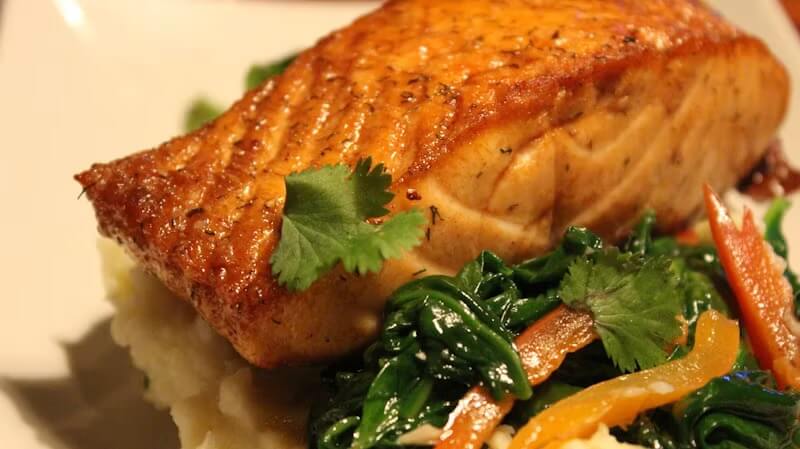
Serves 2. Ready in 35 minutes.
• 2 salmon fillets, about 150 g each
• 2 cups butternut squash, cubed
• 1 tablespoon olive oil
• 4 cups kale, stems removed and chopped
• 1 cup shelled edamame, thawed
• 1 cup cooked quinoa
• 2 tablespoons pumpkin seeds
• 1 tablespoon ground flaxseed
Dressing: 2 tablespoons tahini, juice of 1 lemon, 1 teaspoon maple syrup and 2 to 3 tablespoons warm water
1. Heat the oven to 400°F (200°C). Toss the squash with olive oil and a pinch of salt, spread on a lined baking sheet and roast for 15 minutes.
2. Stir the glaze together and brush it over the salmon. Add the salmon to the baking sheet and roast for another 12 to 15 minutes, until it flakes easily.
3. Whisk the dressing until smooth. Massage the kale with a spoonful of dressing until it softens.
4. Divide the quinoa and kale between two bowls. Top with squash, edamame and salmon.
5. Sprinkle with pumpkin seeds and ground flax, then drizzle with the remaining dressing.
Make it plant-based: swap the salmon for extra-firm tofu set with calcium and roast it the same way.
Upcoming events
October is a busy month, and I would love to see you at one of these conversations.
Let’s Talk Menopause (in person) Tuesday, October 20, 2026, 6:30 to 8:00 p.m. Glebe Community Centre, 175 Third Avenue, Ottawa
Join me for an evening of practical, evidence-informed nutrition strategies for every stage of the transition. We will talk about what is happening in your body, which foods and nutrients matter most, and simple changes you can make right away. Bring your questions. Register here.
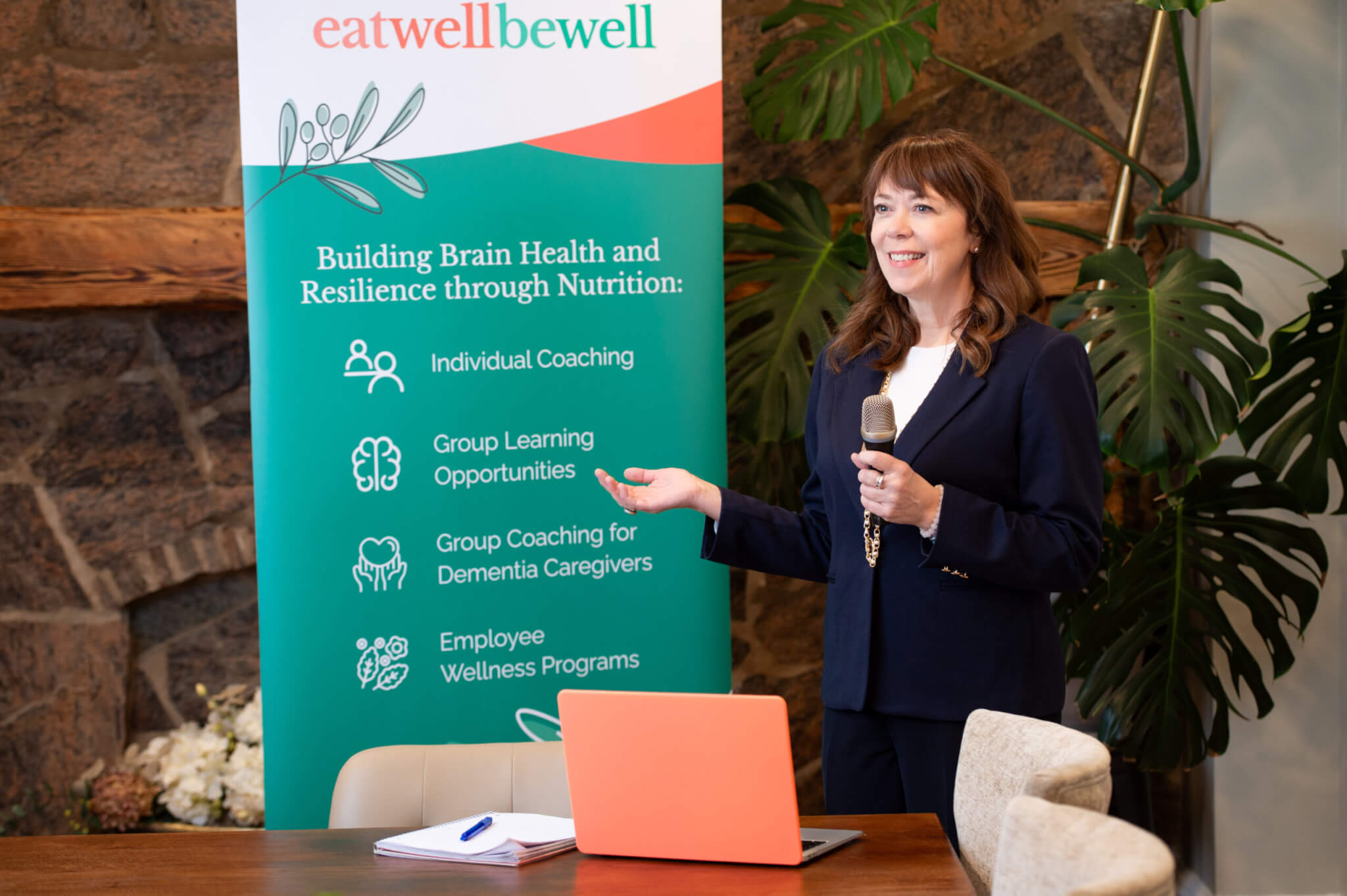
I am delighted to be a guest on the Sage Sister webinar, where we will talk about food, hormones and feeling well in midlife, from the comfort of your own home. Register here.
Coming in November: nourishing your brain
Next month I will turn to a subject close to my heart: brain health. Nutrition, creative art and cognitive stimulation play major, interconnected roles in protecting the brain and lowering the risk of dementia, and the November blog will explore how the three work together.
I will also share what I have learned through my work with the Canadian Consortium on Neurodegeneration in Aging, where I sit on the National Advisory Committee on the Engagement of People with Lived Experience of Dementia.
And I am honoured to share that I have recently been appointed to the City of Ottawa’s Advisory Committee on Brain Health and Dementia Prevention. More on that in November.
Let’s talk: book your free discovery call
I offer a free 15-minute Discovery Call with anyone who wants to talk through their nutrition and habits and start preparing for the season ahead. Let’s chat about where you are and where you’d like to be. https://eatwellbewell.ca/contact/.
Every woman’s menopause journey is her own. If you are wondering where to start, or you are tired of sorting through conflicting advice, I invite you to book a free discovery call with me. We will talk about what you are experiencing, what you would like to change, and how personalized nutrition can help you feel like yourself again. No pressure, just a conversation.
Book your call at eatwellbewell.ca.
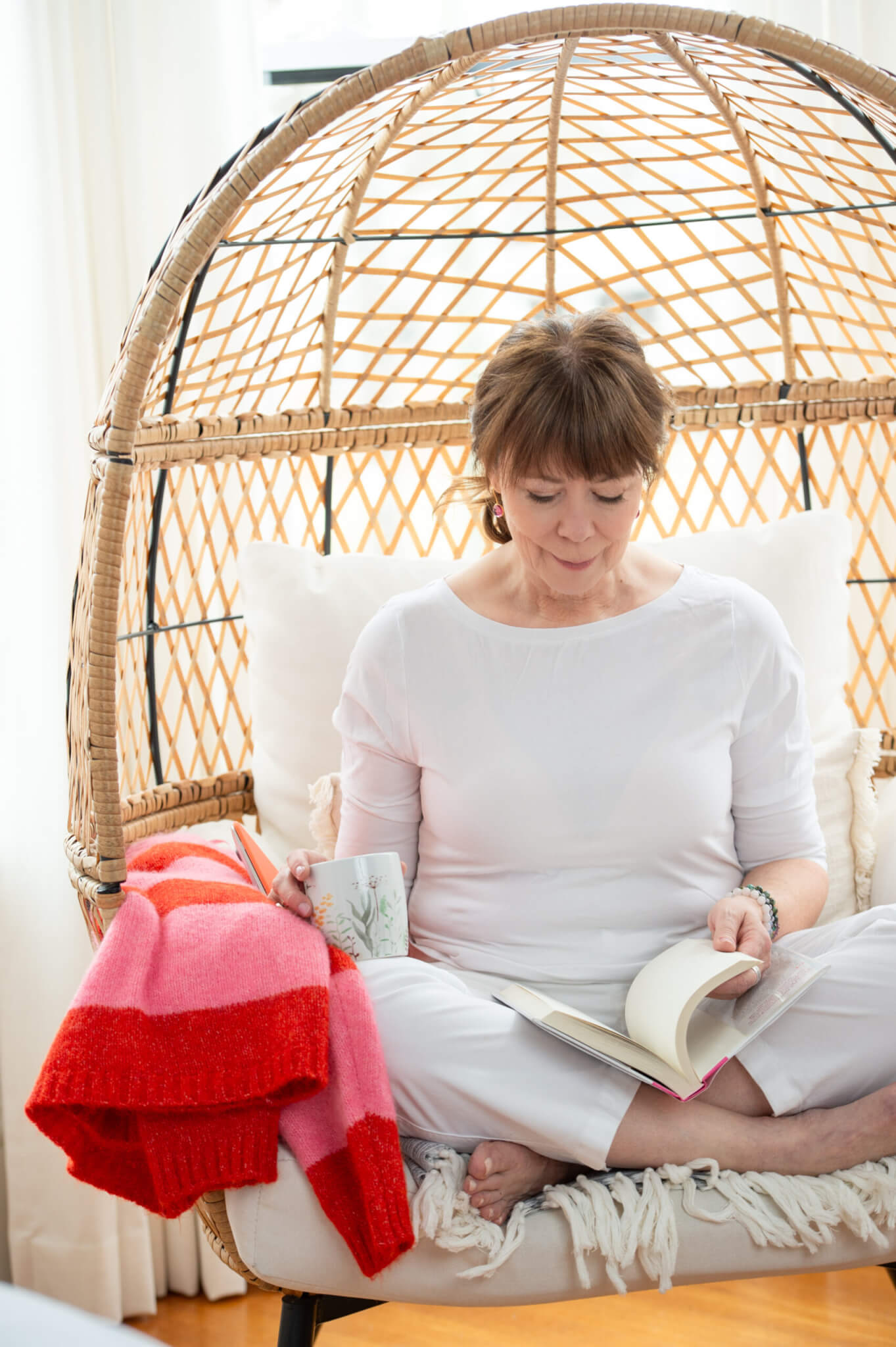
This fall, as the trees let go of their leaves, I hope you will permit yourself to let go of what is no longer serving you and nourish what comes next.
Kelly Beaton
Want to Learn More ?
To learn more about upcoming events, recipes, and how nutrition can improve your well-being and health span, the years of vibrant, healthy aging: sign up for my newsletter and join the eatwellbewell community!
References and sources
1. International Menopause Society. World Menopause Day 2026: Chronic Pain in Midlife. imsociety.org
2. Menopause Foundation of Canada. Menopause information and resources. menopausefoundationcanada.ca
3. Society of Obstetricians and Gynecologists of Canada. Menopause and U. menopauseandu.ca
4. Morin SN, Feldman S, Funnell L, et al.; Osteoporosis Canada 2023 Guideline Update Group. Clinical practice guideline for management of osteoporosis and fracture prevention in Canada: 2023 update. CMAJ. 2023;195(39):E1333-E1348. osteoporosis.ca/ 2023-clinical-practice-guideline
5. Osteoporosis Canada. Nutrition: calcium, vitamin D, protein, magnesium and vitamin K. Nutrition | Osteoporosis Canada
6. Health Canada. Dietary Reference Intakes tables (calcium, vitamin D, magnesium, fibre, vitamin B12). canada.ca
7. Bauer J, Biolo G, Cederholm T, et al. Evidence-based recommendations for optimal dietary protein intake in older people: a position paper from the PROT-AGE Study Group. J Am Med Dir Assoc. 2013;14(8):542-559.
8. El Khoudary SR, Aggarwal B, Beckie TM, et al. Menopause transition and cardiovascular disease risk: implications for timing of early prevention. A scientific statement from the American Heart Association. Circulation. 2020;142(25):e506-e532.
9. The North American Menopause Society. The 2023 nonhormone therapy position statement of The North American Menopause Society. Menopause. 2023;30(6):573-590
*Kelly Beaton, MPA, R.H.N., is a Registered Holistic Nutritionist and the founder of eatwellbewell. This article is for general information and does not replace advice from your health care provider. Please check with your provider before starting any new supplement