
By Kelly Beaton, MPA, R.H.N \ Ottawa-based nutritionist and founder of eatwellbewell, a nutrition coaching practice specializing in women’s health, dementia prevention and healthy aging
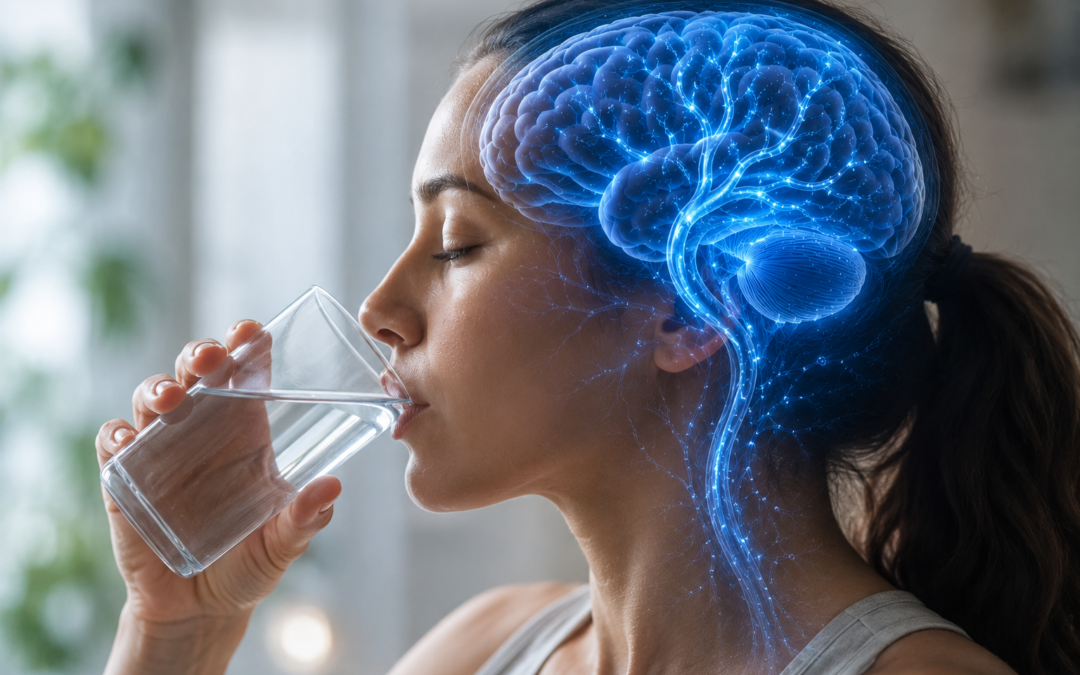
This summer, let us talk about why water deserves to be at the very centre of your healthy aging toolkit.
Start Here: The First Thing You Should Do Every Morning
How Much Water Do We Actually Need as We Age?
• Women: approximately 2.0 to 2.7 litres (8–11 cups) per day from all sources
• Men: approximately 2.5 to 3.7 litres (10–15 cups) per day from all sources
Also, dehydration often presents as hunger. Before grabbing a snack, have a glass of water and wait 10 minutes. A practical gauge: your urine should be pale straw-yellow. Dark amber means drink more
Water-Rich Foods: Hydration on Your Plate
a delicious way to support hydration:
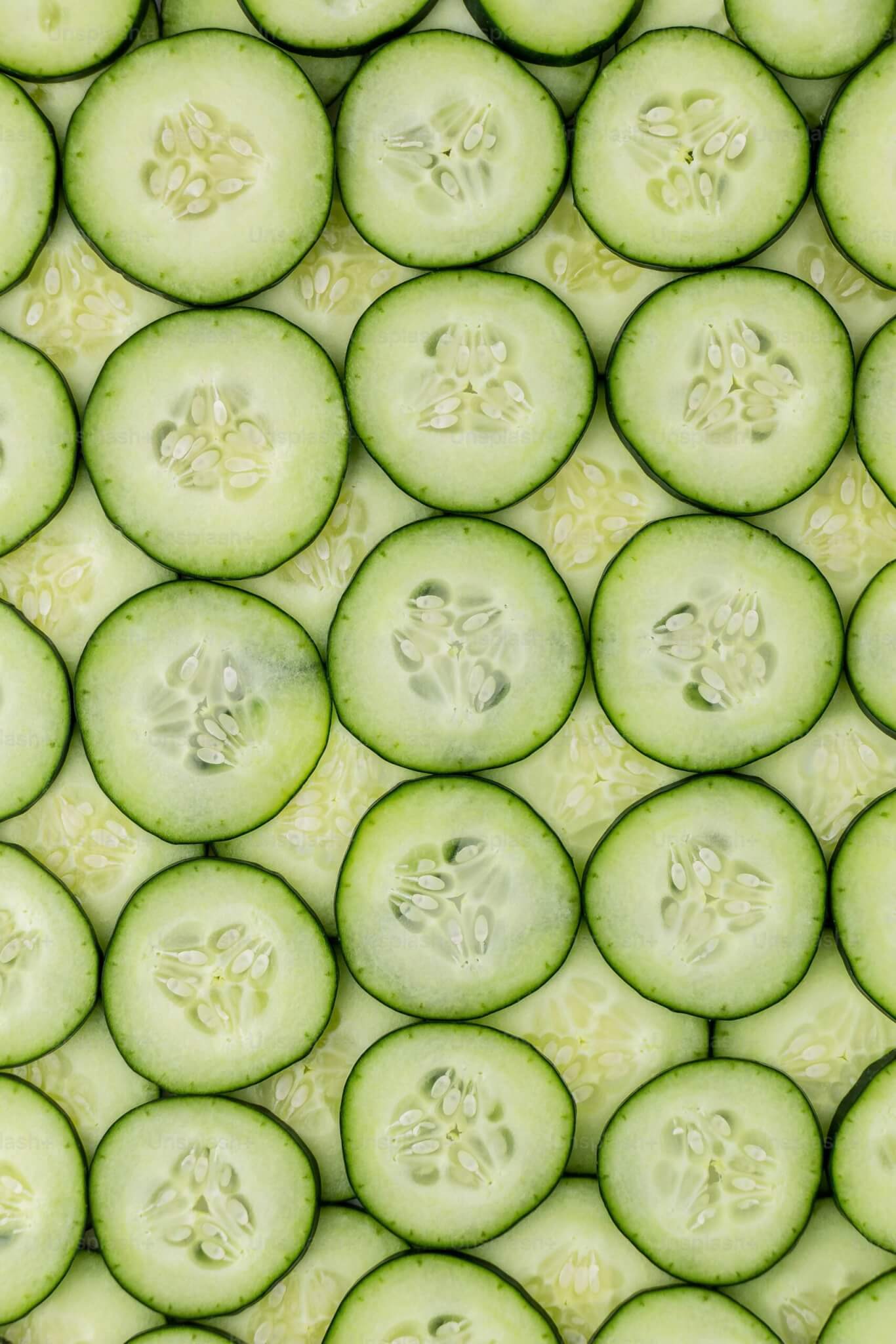
• 90–99% water content: Cucumber, celery, lettuce, zucchini, tomatoes, spinach,
watermelon, strawberries, cantaloupe, peaches, oranges, and grapefruit.
• 80–89% water content: Apples, pears, blueberries, cherries, grapes, yogurt, cooked
oatmeal, and soups. These foods also deliver electrolytes, fibre, vitamins, and antioxidants. A summer salad of watermelon, cucumber, mint, and feta is not just delicious, but it is a hydration powerhouse
Water and Your Brain: A Vital Connection
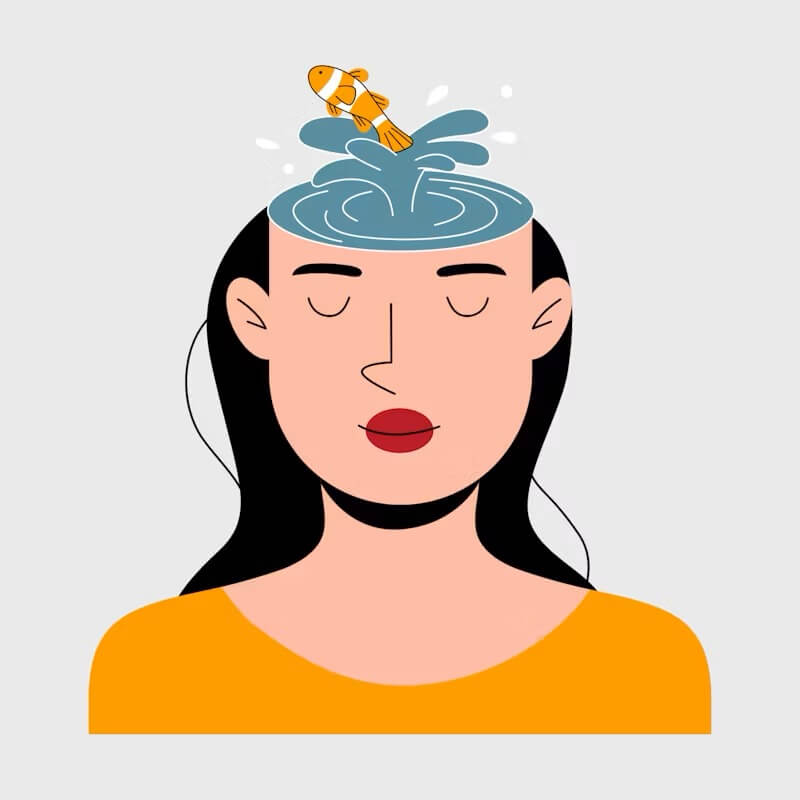
Water and Menopause: An Underappreciated Connection
The Consequences of Chronic Dehydration: Brain, Kidney, and Liver
The Brain. Chronic dehydration accelerates cognitive decline, increases the risk of confusion and falls, and impairs sleep. The brain physically shrinks with dehydration, a startling reminder of how water-dependent our most complex organ truly is.
The Kidneys. Did you know that your kidneys filter approximately 180 litres of blood per day? Chronic dehydration reduces blood flow, increasing the risk of kidney stones, urinary tract infections, and chronic kidney disease over time.
The Liver. The liver performs over 500 functions, including filtering toxins and regulating blood sugar. Dehydration thickens bile, which can lead to gallstones and digestive sluggishness. A well hydrated liver is a more efficient detoxifier, especially important as we age.
The Power of ‘Blue Space’
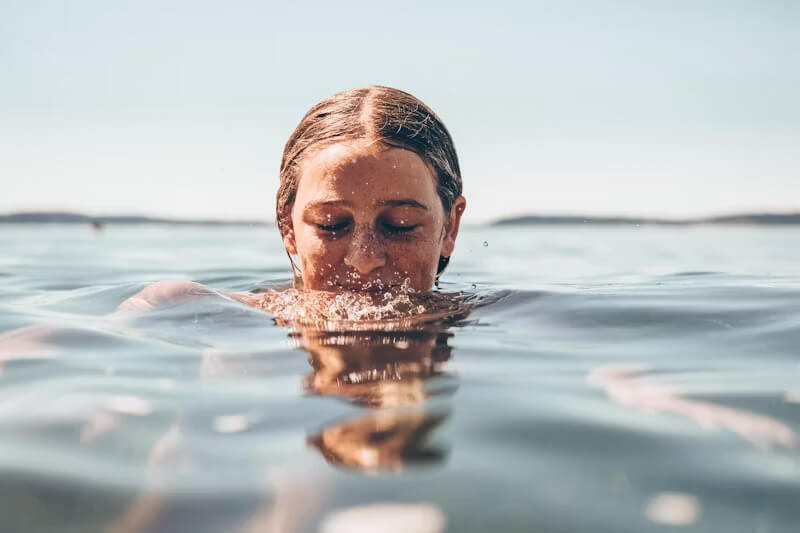
Swimming is often called the perfect exercise for aging bodies. Floating reduces stress on joints by up to 90 percent, making it ideal for those with arthritis or joint pain.
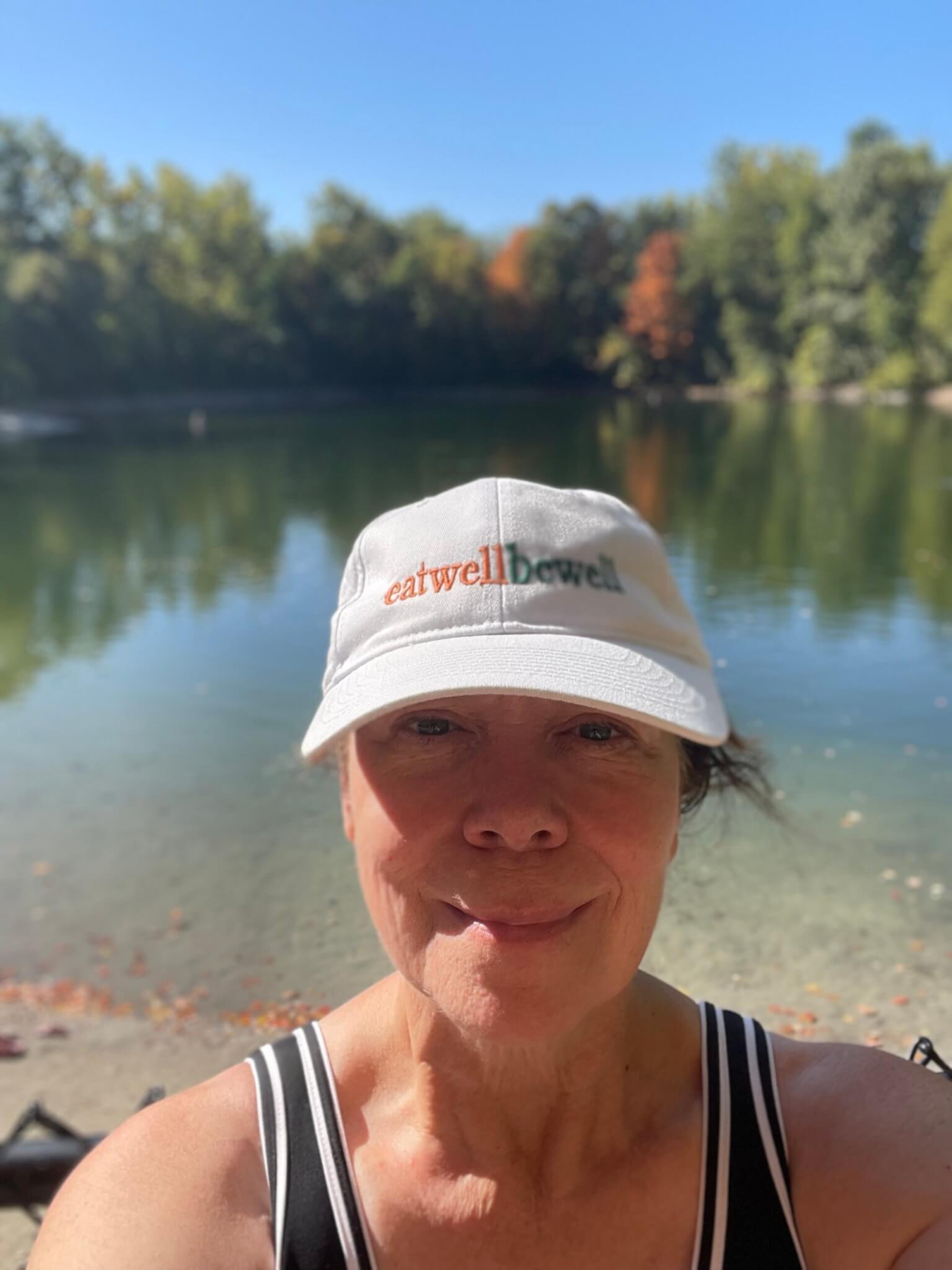
A Personal Note: My Morning Pond
The Cold Water Advantage
There is growing evidence that cold water exposure has measurable mental health benefits. A study from the Wild Swim Project found that regular wild swimmers saw anxiety decrease by 18%, life satisfaction improve by 25%, and happiness increase by 20%. A University in London study found that nearly half of women with menopause related anxiety reported cold water swimming as an immediate stress reliever. Cold water immersion triggers noradrenaline, a neurotransmitter that regulates mood and focus, acting on the same neurological pathways as many medications, but through natural means.
A Few Simple Ways to Drink More Water Every Day
• Start every morning with a glass of water before anything else.
• Keep a reusable water bottle visible on your desk, counter, or bedside table.
• Add natural flavour with lemon, cucumber, mint, or berries if plain water feels boring.
• Set a gentle phone reminder every two hours.
• Drink a glass of water before every meal.
• Replace one daily coffee or tea with herbal tea or warm water with lemon.
• Eat your water: add watermelon, cucumber, and berries to your daily meals.
The Bottom Line
Water is the original wellness essential. It supports your brain, protects your kidneys and liver, eases the menopause transition, and keeps every system in your body running as it should. As we age, our need for intentional hydration only grows. This summer, let water lead the way. Start your morning with a glass before you do anything else. Eat foods that hydrate. Swim when you can. Sit by the water when you need to find yourself again. Drink up. Your body and your brain will thank you!
A Summer of Wellness
Consider taking the first step toward feeling your best this summer by setting up a free 15-minute discovery call to explore how you can reset and rejuvenate your health and habits.
And don’t forget to look out for the July/August 2026 blog, celebrating incredible summer
seasonal foods, immunity, brain health, and delicious, easy recipes!

Want to Learn More ?
To learn more about upcoming events, recipes, and how nutrition can improve your well-being and health span, the years of vibrant, healthy aging: sign up for my newsletter and join the eatwellbewell community!
All the best,
Kelly
References:
https://onlinelibrary.wiley.com/doi/full/10.1002/lim2.70029
2. Harper, J., et al. (2024). Cold water swimming improves menopause symptoms.
University College London/ScienceDaily.
Cold water swimming improves menopause symptoms | ScienceDaily
3. Hjorth, P., & Rasmussen, M. R. V. (2024). Cold water swimming as an add-on treatment for depression: a feasibility study. European Psychiatry. Cambridge University Press.
4. Mackenzie, P., & Palmer, J. (2024). Wild Swim Project research shows mental health
benefits of wild swimming. Swim England/Swimming.org.
Wild Swim Project research shows mental health benefits of wild swimming
5. Schepanski, S., Batta, S., Schröter, F., Seifert, M., & Koch, A. K. (2025). Protocol for a
systematic review and meta-analysis on the effects of cold-water exposure on mental
health. Frontiers in Psychiatry, Vol. 16. PubMed Central.
7. Van Tulleken, C., et al. (2018). Open water swimming as a treatment for major depressive
disorder. BMJ Case Reports. (As cited in: Denton & Aranda, 2020; ScienceDirect sea
swimming feasibility study.)
8. Kelly, J. S., & Bird, E. (2022). Improved mood following a single immersion in cold
water. Lifestyle Medicine, 3(1), e53.
9. Jungmann, M., Vencatachellum, S., Van Ryckeghem, D., & Vögele, C. (2018). Effects of
cold stimulation on cardiac-vagal activation in healthy participants: randomized
controlled trial. JMIR Formative Research, 2(2), e10257.
10. Tipton, M. J., Collier, N., Massey, H., Corbett, J., & Harper, M. (2017). Cold water
immersion: kill or cure? Experimental Physiology, 102(11), 1335–1355