

Kelly Beaton, MPA, R.H.N. | September 2026
Ottawa-based nutritionist and founder of eatwellbewell, a nutrition coaching practice specializing in women’s health, dementia prevention and healthy aging
There’s a particular moment every September when you feel it before you can name it. The evenings arrive a little sooner. The air loses that thick, humid weight. I feel it every morning when I go swimming in the pond near my house. The air temperature is now lower than the water, making you feel very refreshed.
Does your morning smoothie suddenly sound less appealing than a bowl of something warm? If you’ve noticed your appetite shifting as summer fades into fall, you’re not imagining it, and you’re certainly not alone.
As a Registered Holistic Nutritionist, I find this seasonal transition to be one of the most interesting times of year to talk about food. It’s not just about what’s available at the farmers’ market (though that matters too). It’s about how our bodies are actually wired to respond to the changing season, and how we can work with that instinct instead of against it.
Why Our Cravings Change When the Days Get Shorter
If you’ve ever wondered why a crisp salad feels perfect in July but suddenly unsatisfying in October, there’s real physiology behind that shift. As daylight hours shorten and temperatures drop, our bodies begin producing more melatonin and shifting our internal rhythms to prepare for the colder, darker months ahead. This isn’t just about sleep. It influences appetite, energy expenditure, and even which foods we’re drawn to. In the summer, our bodies naturally lean toward lighter, water-rich foods like cucumbers, berries, and leafy greens that help keep us cool and hydrated in the heat.
As temperatures fall, our internal thermostat shifts too, and many of us start craving denser, warming foods that take longer to digest and generate more internal heat as they’re broken down. That craving for a hearty soup or roasted vegetables isn’t a lack of willpower; it’s your body doing exactly what it’s designed to do.

There’s also a practical, almost ancestral logic to it. For most of human history, fall was the season of preparation. It’s a time to eat more calorically dense, storable foods (root vegetables, squash, grains) ahead of a winter with less fresh food available. Our appetite patterns still echo that rhythm, even though most of us aren’t literally storing food for winter anymore.
Understanding this can be a relief. Instead of fighting a craving for something warm and grounding, or feeling like you’ve “fallen off track” because salads no longer appeal, you can recognize this shift for what it is: a normal, seasonal recalibration.
What’s in Season Right Now in Ontario
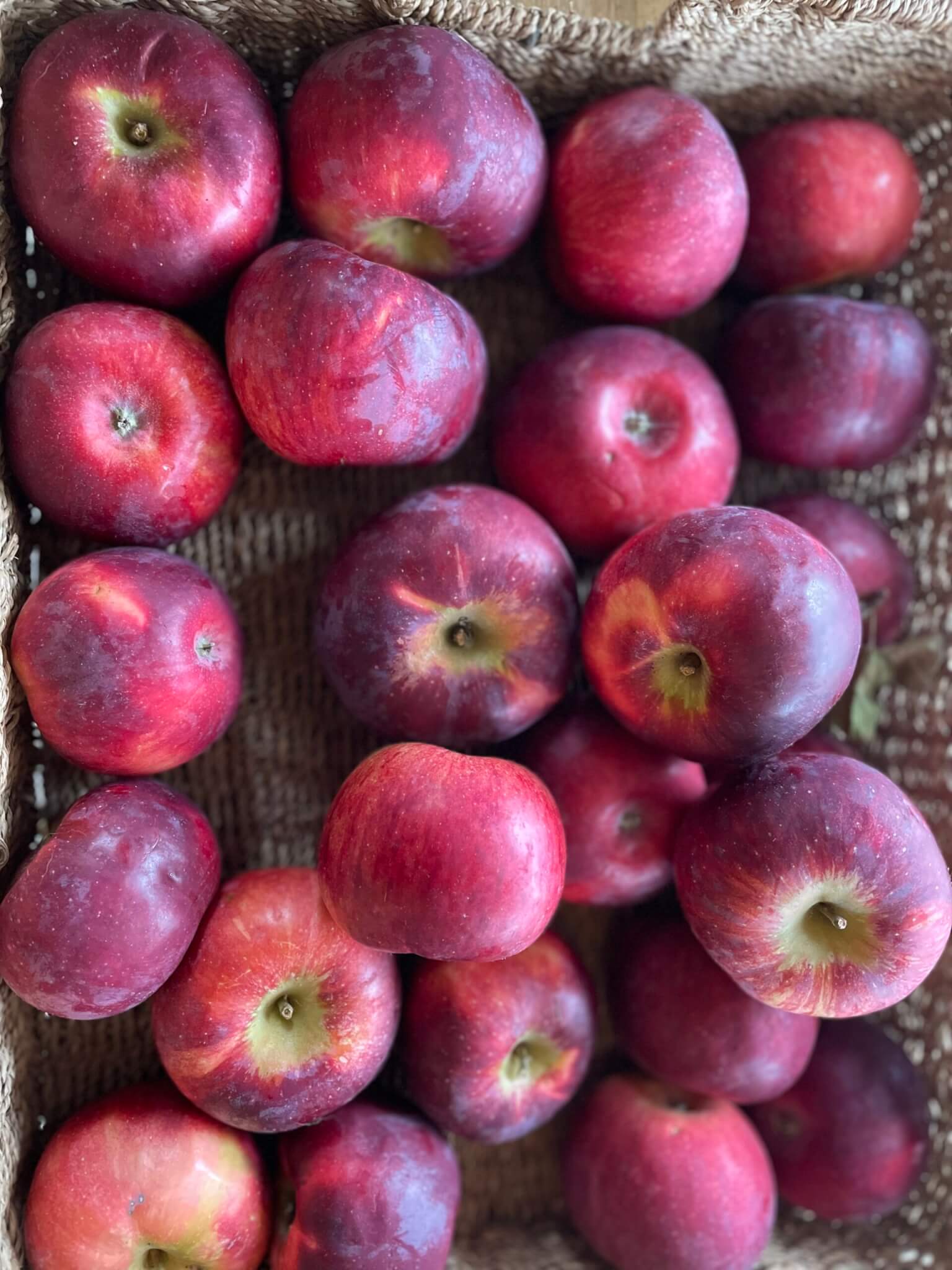
One of the easiest ways to eat well through this transition is to let the season do some of the work for you. Ontario’s fall harvest is generous, and eating with it tends to be both more affordable and more nutritionally aligned with what your body is asking for.
Squash is the star of the fall table for good reason. Butternut, acorn, and delicata squash are rich in beta-carotene, fibre, and complex carbohydrates that provide steady, sustained energy, exactly the kind of grounding fuel that supports you as your body shifts into a lower-light, cooler temperature mode. Roasted, puréed into soup, or added to a grain bowl, squash is endlessly versatile.
Apples, now at their peak across Ontario orchards, offer fibre (particularly pectin, which supports gut health) along with polyphenols that have antioxidant properties. They also satisfy that instinct for something slightly sweet without the blood sugar swings of more processed options.
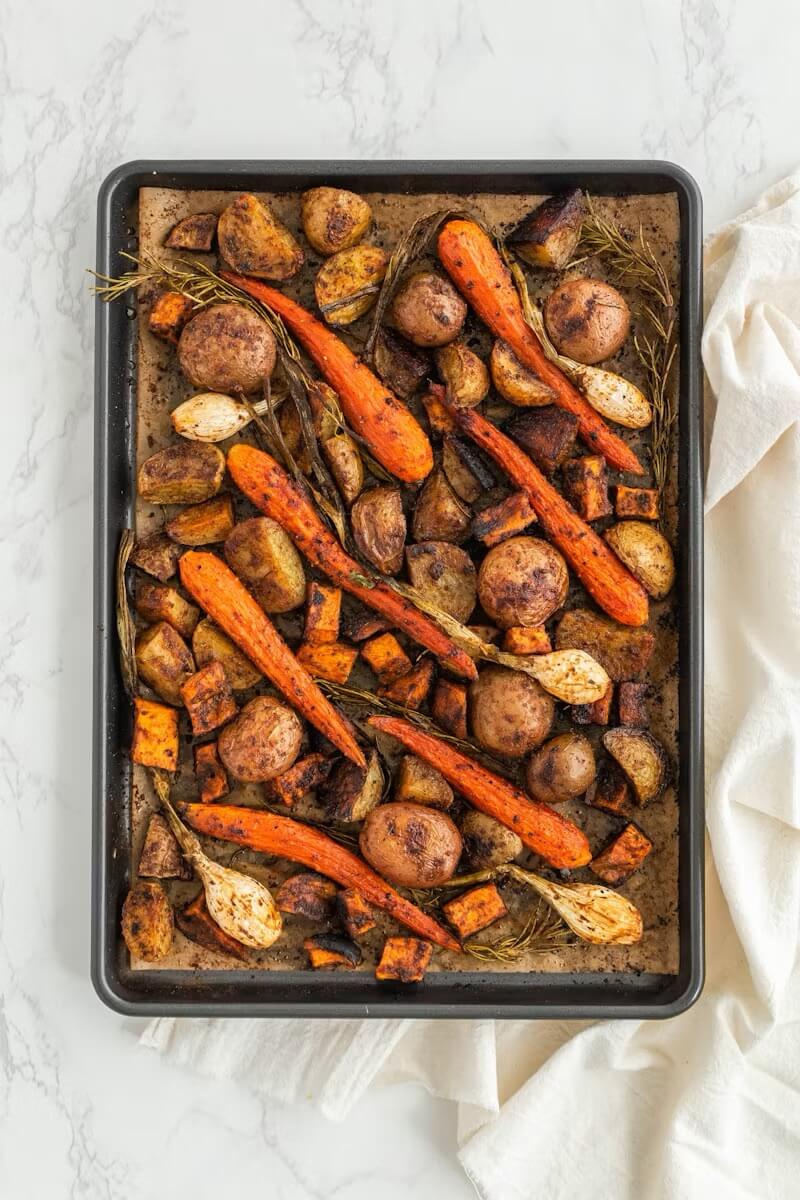
Root vegetables like carrots, beets, parsnips, and turnips are having their moment as well. These grow underground, drawing minerals from the soil, and they hold up beautifully to roasting, which brings out a natural sweetness while creating that warming, satisfying quality our appetites are craving this time of year.
Simple Swaps to Ease Into Fall
You don’t need to overhaul your entire diet overnight. A seasonal transition works best as a gradual shift, not an abrupt reset. Here are a few gentle swaps I recommend to clients this time of year:
Swap raw for roasted. If you’ve been leaning on raw vegetables and salads all summer, try roasting them instead. Roasting root vegetables and squash brings out natural sugars and creates a warmer, more satisfying dish that better matches what your body is craving.
Swap cold smoothies for warm breakfasts. A smoothie that felt perfect on a hot morning may now leave you cold. Consider swapping it for warm oatmeal topped with stewed apples and cinnamon, or a soft-boiled egg with sautéed greens.
Swap iced beverages for warming ones. Herbal teas, particularly ginger, cinnamon, or chai blends, can support digestion while also providing that comforting warmth your body is seeking as temperatures drop.
Swap light dressings for richer ones. A light vinaigrette that was refreshing in July can be swapped for something with more depth, a tahini- or miso-based dressing, for example, to complement heartier fall vegetables.
Add, don’t just subtract. Rather than thinking about what to cut out, focus on what fall foods you can add in. A bowl of squash soup a few times a week, or roasted root vegetables as a regular side dish, is an easy, low-pressure way to shift your eating pattern with the season.
A Season of Grounding, Not Restriction

As we head toward the fall equinox on September 22, the official marker of this seasonal transition, I like to think of it less as a “reset” in the restrictive sense, and more as an invitation to ground ourselves. The lighter, brighter foods of summer served their purpose; the warmer, denser foods of fall serve a different one, supporting our bodies through shorter days and cooler temperatures.
This is also a season worth paying particular attention to if you’re navigating hormonal changes, whether that’s related to aging, the menopausal transition, or simply the natural shifts that come with each phase of life.
Nutrition that supports steady energy and blood sugar balance becomes even more valuable when your body is already adapting to multiple changes at once.
My invitation to you this September is simple: notice what your body is asking for, and trust that instinct. Visit your local farmers’ market. Roast a squash. Make a pot of soup. Let the season guide your plate, one gentle swap at a time.
If you’re curious about how nutrition can support you through other seasonal and life transitions, I’d love to connect. Book a free 15-minute Discovery Call at eatwellbewell.ca/contact/.
P.S. I’ll be at the BeYoutiful Women’s Expo on Saturday, September 12, 2026, from 10:00 a.m. to 4:00 p.m. at the Shenkman Arts Centre (245 Centrum Road, Ottawa). Come say hello and connect with local wellness experts — and while you’re there, stop by my table for a chance to win a free 1:1 Personal Nutrition Consultation! Get your tickets here: www.eventbrite.ca/e/ 1991390990058/?discount=eatwellbewell
Follow my social media in September to get simple, seasonal recipes that help your body easily and deliciously transition to autumn.
Get Ready for Fall
I offer a free 15-minute Discovery Call with anyone who wants to talk through their nutrition and habits and start preparing for the season ahead. Let’s chat about where you are and where you’d like to be. https://eatwellbewell.ca/contact/.
Want to Learn More ?
To learn more about upcoming events, recipes, and how nutrition can improve your well-being and health span, the years of vibrant, healthy aging: sign up for my newsletter and join the eatwellbewell community!
All the best,
Kelly

P.P.S – 🍂 Take Charge of Your Health This Fall
– A 6-week nutrition series at the Glebe Centre, Ottawa.
– Autumn is the perfect season to reset — nourish your body, sharpen your mind, and build habits that carry you through the months ahead. 🧠🍽️
– Over 6 weeks, we’ll cover practical, sustainable nutrition strategies designed for real life — not restriction.
– 🗓️ Thursdays, September 10 – October 15, 2026.
Spots are limited. Don’t wait until it’s too late!
📞 To reserve your place, call 613-230-5730
Check out more eatwellbewell health tips!
My Favourite Summer Things (and Why They’re So Good for Your Brain) – Eat Well Be Well
The Power of Water: Your Most Essential Wellness Tool as You Age – Eat Well Be Well
References:
2. Weber, A. M., Pascale, N., Gu, F., Ryan, E. P., & Respondek, F. (2025). Nutrition andhealth effects of pectin: A systematic scoping review of human intervention studies. Nutrition Research Reviews, 38(1), 306–323. Cambridge University Press: Nutrition and health effects of pectin: A systematic scoping review of human intervention studies | Nutrition Research Reviews | Cambridge Core
3. Government of Ontario, Foodland Ontario. Availability Guide — seasonal fruit and
vegetable availability across Ontario: Availability guide | Foodland Ontario