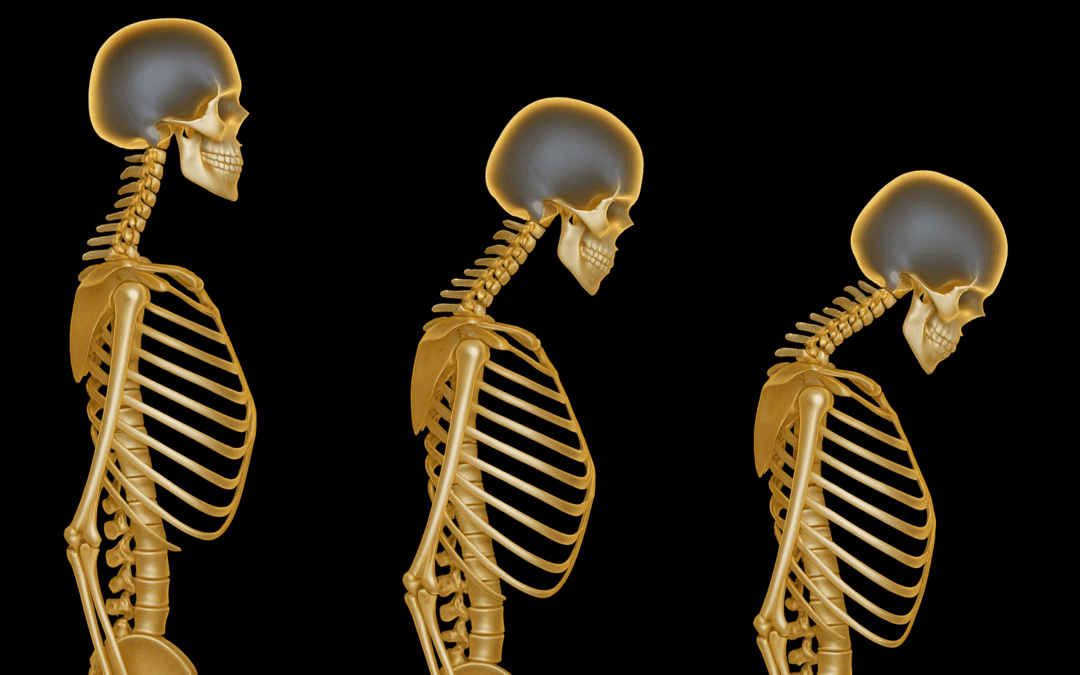
Did you know that November is Osteoporosis Awareness Month in Canada? According to
Osteoporosis Canada, while osteoporosis can affect people at almost any age, it is most common among Canadians aged 50 years or older. Here are a few key statistics:
• 2.3 million Canadians are living with osteoporosis
• At least 1 in 3 women and 1 in 5 men will break a bone due to osteoporosis in their
lifetime
• Fragility fractures represent 80% of all fractures in menopausal women over the age of 50
• Fractures from osteoporosis are more common than heart attack, stroke, and breast
cancer combined
The Silent Disease
Often referred to as a “silent disease,” osteoporosis is typically only diagnosed following a bone fracture. Our bones age differently depending on our sex, making healthy aging strategies essential for both men and women.
Women begin to lose bone mass around the age of 35, but the loss accelerates significantly in the first four to eight years post menopause, as estrogen declines sharply. Estrogen plays an important role in the growth and maturation of bone as well as in the regulation of bone turnover in adult bone. Women are also more vulnerable to deficiencies in Vitamin D, Vitamin B12, and calcium—especially in Canada, where decreased sun exposure limits our ability to produce Vitamin D naturally.
While men lose bone mass more slowly over time, by around the age of 65-70, both men and women lose bone mass at similar rates. The bottom line? The process of bone renewal decreases and we lose muscle mass as we age, which results in increased risk for fractures. Understanding this process is crucial for successful healthy aging.
Bone and Brain Health: What’s the Connection?
Scientists have long known that the brain governs most, if not all, physiological functions in the body, including skeletal health.
The brain directs the production of blood cells, minerals, and hormones in bones. Red bone marrow inside some bones creates red blood cells, white blood cells, and platelets. Bones also serve as a storage site for minerals like calcium and phosphorus, releasing them as needed. Some bone cells even produce hormones that help regulate body functions, such as blood sugar and phosphate levels. Recently, researchers have begun to reexamine this relationship. The 2024 edition of the European Journal of Medical Research introduced the concept of the “Brain-Bone Axis,” which examines the continuous bidirectional relationship between your brain and your bones. to the Gut-Brain Axis, these insights are critical for identifying preventive strategies that target both skeletal and neurological health—key components of healthy aging.
Can Bone Health Be a Predictor of Dementia?
In 2023, the American Academy of Neurology published a study linking bone health to the risk for dementia. It found that people with low bone density may have an increased risk of developing dementia compared to people with higher bone density. While the study does not prove that low bone density causes dementia—it only shows an association—it does underscore the importance of taking care of your bone health as a preventive measure, particularly for women in their post menopause years when bone density declines most rapidly.
Top 5 Nutrients for Healthy Bones
Osteoporosis Canada identifies nutrition and exercise as critical factors influencing your bone and muscle health. Let’s explore the top five nutrients you need in your diet every day: calcium,Vitamin D, magnesium, Vitamin K, and protein.
Calcium
Calcium is a mineral required to build and maintain bone health. You can only get calcium through food, fortified products, or supplements. However, calcium cannot work alone—it needs Vitamin D and magnesium to do its job effectively.
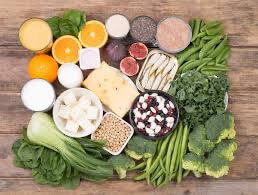
Some of the best food sources include: dairy products, green leafy vegetables*, fish such as salmon and sardines, nuts and seeds (Brazil nuts, sunflower seeds, sesame seeds), soybeans, tofu, and blackstrap molasses.
*Note: While spinach contains several key nutrients, it also contains oxalic acid, which binds with calcium and prevents its absorption.
Vitamin D
Vitamin D is a fat-soluble vitamin, which means it dissolves in fat and is stored in the body’s fatty tissues and liver. Your body makes Vitamin D when your skin is exposed to the sun’s ultraviolet (UV) rays. Factors like the time of year, season, where you live, age, skin color, sunscreen use, and sun exposure all affect how much Vitamin D your body produces. Vitamin D helps transport calcium into the bones by enhancing the body’s ability to absorb calcium from food, working in tandem with magnesium.
Best food sources include: fatty fish, cod liver oil, eggs, and mushrooms.
Magnesium
Magnesium is a mineral that helps convert Vitamin D to its active form, which is necessary for absorbing calcium—a key component of bone. Over half of the body’s magnesium is stored in the bones. The best supplemental forms are magnesium citrate or magnesium glycinate.
Food sources include: dark leafy greens, whole grains, nuts and seeds, fish, bananas, broccoli, brown rice, quinoa, and fortified foods.
Protein
One of the three macronutrients, protein is a required nutrient for all your cells, but it is
especially important for building, maintaining, and repairing bones and muscles—critical
functions for healthy aging. Protein can be found in animal-based foods like lean meats, poultry, fish, eggs, and dairy, as well as plant-based options such as beans, peas, lentils, nuts, seeds, and soy products. Key protein sources include: oatmeal, cottage cheese, chicken, black beans, pistachios, tofu, Greek yogurt, lentils, and quinoa. Vitamin K
Like Vitamin D, Vitamin K is also a fat-soluble vitamin. It helps activate certain proteins (such as osteocalcin) that are required to build bone tissue. Vitamin K comes in two forms: K1 and K2. Vitamin K1 is found in plant-based foods, while Vitamin K2 is found in animal products and fermented foods. Best Vitamin K foods include: leafy greens, cruciferous vegetables such as broccoli and Brussels sprouts, and blueberries.
Foods to Limit or Avoid
As important as it is to support bone health and build bone resilience as you age, it’s equally
important to limit or avoid foods that can harm your bones:
• High-sodium foods like processed and fast foods can lead to calcium loss because the
body excretes excess sodium through urine, taking calcium along with it.
• Excess alcohol can reduce the body’s ability to absorb calcium by interfering with
Vitamin D. Heavy drinking can also reduce estrogen and testosterone, which are essential for bone maintenance, particularly important to consider post menopause when estrogen levels are already declining.
• Sugar-sweetened beverages can interfere with calcium absorption through increased
urinary excretion.
• Processed and refined foods contain high sodium, high sugar, additives, and low
magnesium.
• Excessive red meat can lead to calcium loss due to its high content of amino acids that
create an acidic load in the body, which the body may buffer by drawing calcium from
bones.
• High caffeine intake can cause calcium loss by increasing urinary excretion.
Lifestyle Tips to Improve Bone Health
In addition to nutrition, here are lifestyle recommendations that support healthy aging and reduce your risk for osteoporosis: Exercise.
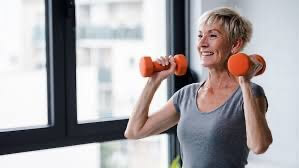
Aim for at least 150 minutes per week of moderate-intensity aerobic activity combined with strength training exercises. Weight-bearing and resistance exercises are particularly beneficial for maintaining bone density.
Cooking Tips to Keep Calcium in Your Food
Cook foods in a small amount of water for the shortest possible time to retain more calcium. Try steaming instead of boiling.
Smoke Gets in Your Bones
Quit smoking. Smoke from cigarettes and vaping negatively impacts bone health by reducing blood supply, decreasing calcium absorption, slowing the production of bone-building cells, and increasing the rate of bone breakdown.
Keep Up to Date with Vision and Hearing Checkups
Researchers have found that hearing and vision loss can affect bone health both directly and indirectly through health issues, physical instability, and increased risk of fractures.
Start with Your Feet
Did you know that when you walk, the pressure on your feet equals three to six times your body weight per step? Foot health affects bone health because your feet carry your body weight. Problems with foot health can cause pain, limited mobility, and place additional stress on bones, particularly for those with osteoporosis.
Your First Step for Improved Bone Health Starts Now!
By making simple changes in your diet and lifestyle, you can help reduce the risk of osteoporosis and other age-related bone health issues. Whether you’re navigating the post menopause years or simply committed to healthy aging, taking care of your bones today protects your independence and quality of life tomorrow.
I Can Help
Sometimes, making changes in your diet and lifestyle isn’t easy to do alone. I offer 1:1
personalized nutrition coaching to support your health and well-being goals, and I create custom nutrition presentations for corporate wellness programs.
Please let me know how I can work with you by requesting a free 15-minute discovery call at kelly.beaton@eatwellbewell.ca.
Wishing you all the best,
Kelly